Last Updated on June 23, 2026
If you’re looking to build muscle, support fat loss, or simply stay full longer, protein is the key macronutrient you need to focus on. You probably already know this BUT not all protein sources are created equal… nor do they all have enough protein needed to boost metabolism. Today, I’m breaking down the science-backed benefits of protein (so you’re more motivated to eat it) and the best high-protein foods to include in your diet and more. Let’s dig in.
Why Protein is Essential for Your Health
Protein isn’t just about muscle—it plays a vital role in physical health, mental well-being, and metabolic function. Research shows that adequate protein intake:
Proven Health Benefits of Protein
- Boosts Fat Loss & Satiety – Protein has the highest thermic effect of food (TEF), meaning your body burns more calories digesting it compared to carbs or fats. One study in The American Journal of Clinical Nutrition found that higher protein intake leads to better appetite control and fat loss.
-
Muscle Mass and Body Composition: A high-protein diet, especially when combined with exercise, can enhance muscle mass and promote fat loss. It may also have beneficial effects on bone health.
-
Weight Management: Higher-protein diets have been associated with improved body weight management, aiding in weight loss and maintenance.
-
Metabolic Health: Increased protein intake may enhance glycemic regulation and improve cardiometabolic risk factors.
-
Dietary Recommendations: Adequate consumption of dietary protein is critical for maintaining optimal health during growth and aging.
-
Cardiovascular Outcomes: High-protein diets have been studied for their impact on cardiovascular health, with research exploring their effects on morbidity and mortality.
-
Boosts Mood & Reduces Stress: The amino acid tryptophan, found in protein-rich foods, is a precursor to serotonin, a neurotransmitter that regulates mood.
-
Improves Brain Function & Focus: Proper glucose regulation, influenced by macronutrient intake including protein, is crucial for cognitive functions such as memory and attention.
-
Stabilizes Blood Sugar & Reduces Cravings: High-protein diets have been shown to lower postprandial blood glucose levels and improve overall glucose control in individuals with type 2 diabetes.
To find out how much protein you need, use my Protein Intake Calculator.
40 Best High-Protein Foods for Muscle Growth & Fat Loss
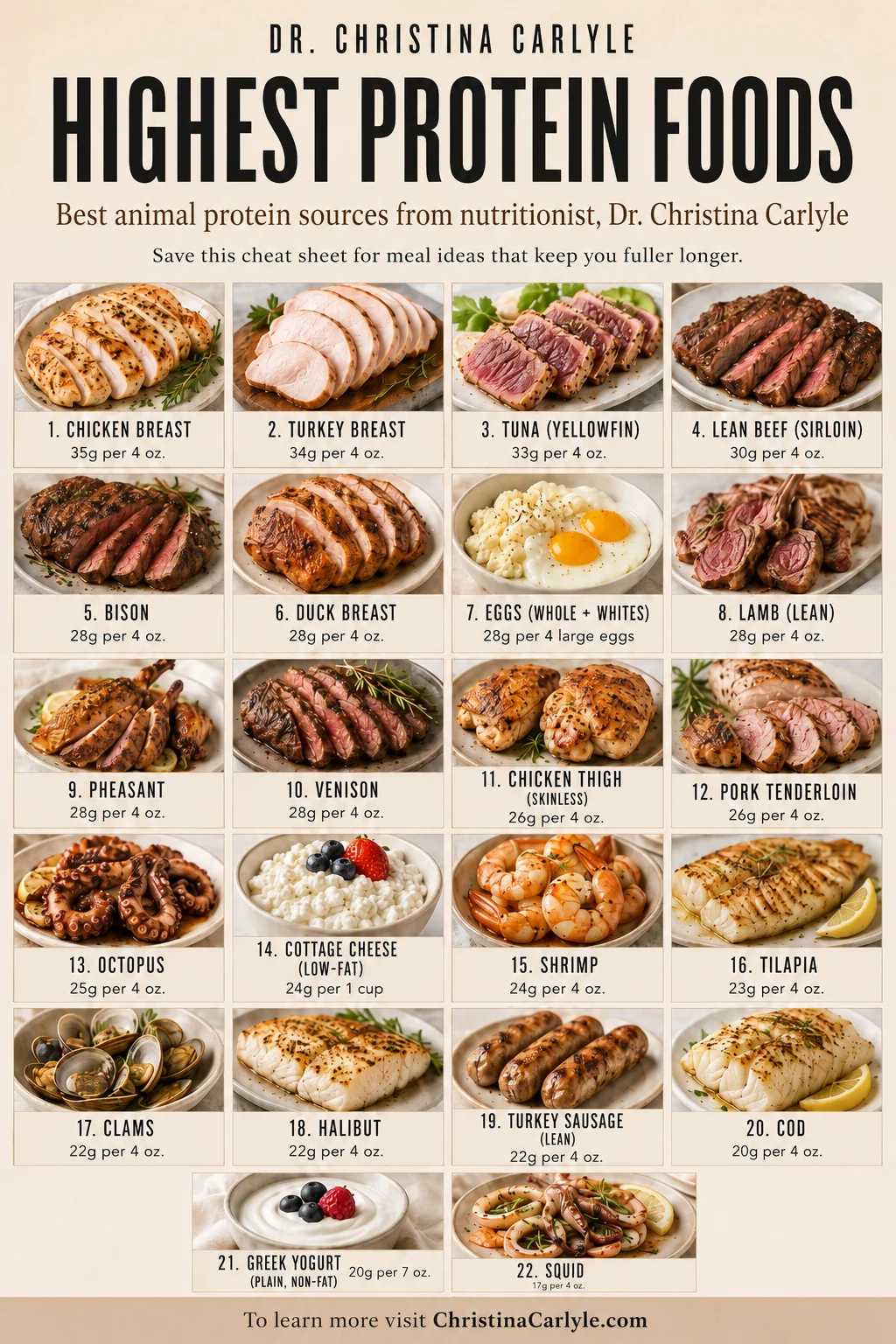
When choosing high-protein foods, focus on complete proteins—those that contain all nine essential amino acids. Here are some of the best sources, ranked by protein content per 4-ounce serving.* These amounts are approximate.
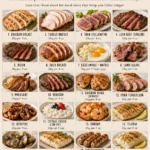
Animal-Based Protein Sources (Highest in Protein)
- Bison – 28g per 4 oz.
- Chicken Breast – 35g per 4 oz.
- Chicken Thigh (Skinless) – 26g per 4 oz.
- Clams – 22g per 4 oz.
- Cottage Cheese (Low-Fat) – 24g per 1 cup
- Cod – 20g per 4 oz.
- Duck Breast – 28g per 4 oz.
- Eggs (Whole + Whites) – 28g per 4 large eggs
- Greek Yogurt (Plain, Non-Fat) – 20g per 7 oz.
- Halibut – 22g per 4 oz.
- Lamb (Lean) – 28g per 4 oz.
- Lean Beef (Sirloin) – 30g per 4 oz.
- Octopus – 25g per 4 oz.
- Pheasant – 28g per 4 oz.
- Pork Tenderloin – 26g per 4 oz.
- Shrimp – 24g per 4 oz.
- Squid – 17g per 4 oz.
- Tilapia – 23g per 4 oz.
- Tuna (Yellowfin) – 33g per 4 oz.
- Turkey Breast – 34g per 4 oz.
- Turkey Sausage (Lean) – 22g per 4 oz.
- Venison – 28g per 4 oz.
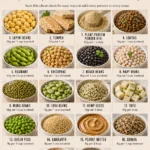
Plant-Based Protein Sources (Highest in Protein)
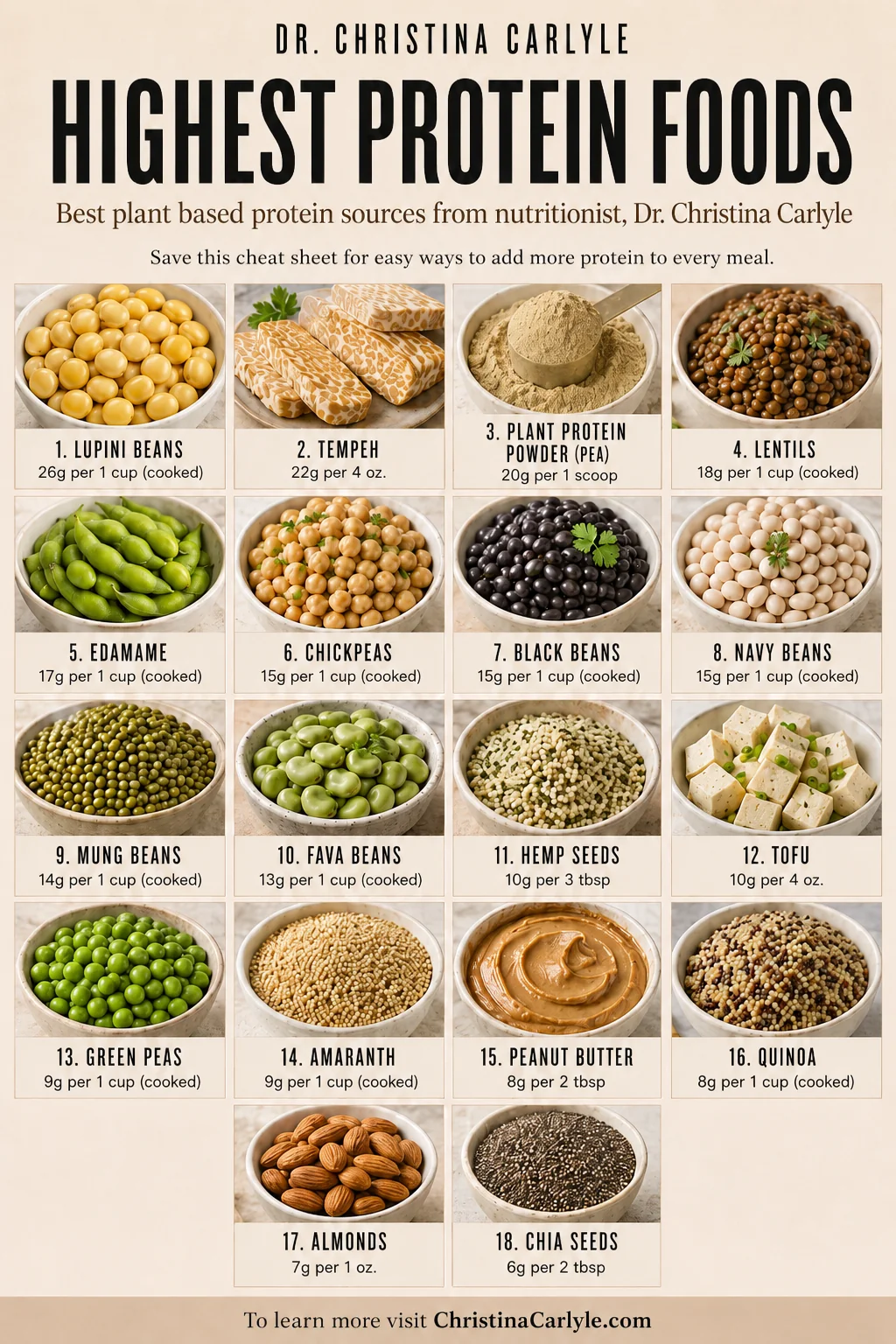
- Tempeh – 22g per 4 oz.
- Lentils – 18g per 1 cup (cooked)
- Chickpeas – 15g per 1 cup (cooked)
- Quinoa – 8g per 1 cup (cooked)
- Hemp Seeds – 10g per 3 tbsp
- Chia Seeds – 6g per 2 tbsp
- Almonds – 7g per 1 oz.
- Edamame – 17g per 1 cup (cooked)
- Peanut Butter – 8g per 2 tbsp
- Black Beans – 15g per 1 cup (cooked)
- Tofu – 10g per 4 oz.
- Green Peas – 9g per 1 cup (cooked)
- Fava Beans – 13g per 1 cup (cooked)
- Mung Beans – 14g per 1 cup (cooked)
- Plant Protein Powder (pea) – 20g per 1 scoop (depending on the brand)
- Amaranth – 9g per 1 cup (cooked)
- Lupini Beans – 26g per 1 cup (cooked)
- Navy Beans – 15g per 1 cup (cooked)
Animal proteins are generally higher in leucine, an amino acid crucial for muscle protein synthesis, while plant-based sources can still be effective when combined properly (e.g., lentils + quinoa or rice + beans).
Want Faster Results? Nutrition is 80% of the Equation…
Please note, protein is just a small piece of the nutrition puzzle and everyone metabolizes proteins differently, and your body has its own unique needs. If you’re struggling to lose fat or build lean muscle, it’s likely because you’re not eating the right types and amounts of protein for your metabolism.
Different proteins are metabolized and digested differently and contain different components that either work with your body… or against it. For example, eating too much of the wrong meat can impair digestion, causing toxicity in the process that makes you more susceptible to parasites and infections. This is where personalization matters. When you eat for your metabolic needs you can look and feel better 3 times faster than you can on a cookie cutter diet.
I’ve created a Metabolic Type Quiz to help you determine your type and which Metabolic Meal Plan I’d recommend based on your metabolic body type. Metabolic Type Training & Quiz here and unlock a plan tailored for you.
This personalized approach ensures your body gets the right nutrients to support detoxification and overall health. If you’re unsure which approach is best for you, take my to get personalized recommendations based on your unique body needs.
Even though the foods listed here are highest in protein… that doesn’t mean that they’re the best proteins for your metabolic type.
Choosing the highest-quality protein sources, eating the right amounts for your metabolic type, and following a structured meal plan will accelerate metabolism, fat loss, muscle definition, and overall health (physical and mental) goals.

Metabolic Type Meal Plan Results
Eating Healthy But Not Seeing Results?
The solution is eating for your unique metabolic type - When you eat foods that match your Metabolic Type you can lose weight and feel great 3 times faster. Take the Metabolic Type Quiz to discover your type and the meal plan that's best for you.
TAKE THE QUIZIf this article helped you, share it with someone who needs it! And don’t forget to take the Metabolic Type Quiz to find the right protein balance for your body.

Dr. Christina Carlyle is a Doctor of Functional Medicine, FDN-P, Nutritionist, & Trainer who transformed her body and health – getting off 7 medications and losing 40 pounds for good. Now, she helps other women get happy, healthy, and fit – quickly & naturally – without any BS