Last Updated on March 19, 2026
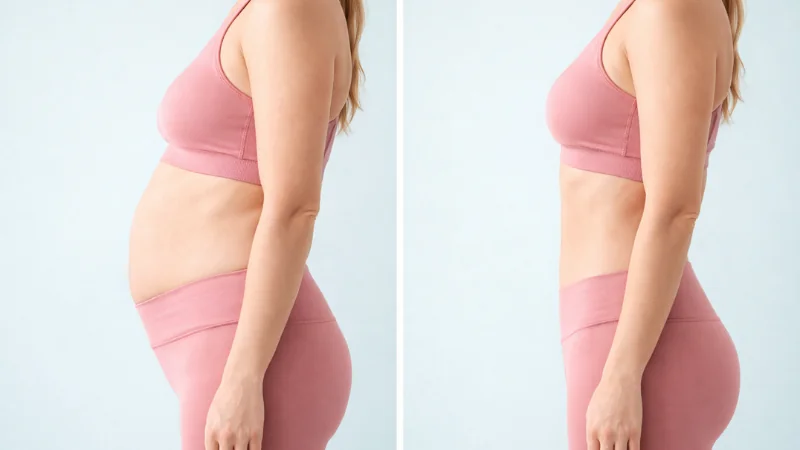
If you’re wondering how to stop bloat or reduce bloating fast, and your stomach feels puffy, uncomfortable, or like it always sticks out no matter what you do, this is for you.
I’ve personally dealt with bloating (hate it!), and I know my clients have too. It’s not fun feeling like a busted can of biscuits in your jeans, your dresses, swimsuit, or in your own body. That’s why I’m sharing natural ways to reduce bloating so you can flatten your tummy, feel more comfortable in your skin, and get results quickly.
If you want a deeper breakdown of the main root causes behind bloating, make sure you also read what causes bloating.
In this post, we’re focusing on solutions for those root causes and what to do when you want relief now.
How to Reduce Bloating Quickly and Naturally
The first step in reducing bloating starts with understanding what kind of bloat you have.
Not all bloating is the same. Sometimes it’s trapped gas. Sometimes it’s sluggish digestion or hormonal. Sometimes it’s inflammation or water retention. And sometimes it’s a combo platter, which is rude, but very common.
That matters because if you treat all bloating the same way, you’re probably going to keep spinning your wheels without seeing much of a difference.
For a lot of women, the fastest path to relief is supporting digestion, cutting back on the habits that cause you to swallow more air, getting things moving, and reducing the inflammatory load on the body.
Let’s dig into the best ways to reduce bloat quickly and naturally.
How to reduce bloating by simplifying what you eat
If you’re bloated, the goal is not to keep piling more food on top of an already overwhelmed system.
This is not the day to experiment with new recipes, raw salads the size of your head, or ten different “gut healthy” ingredients at once.
- Keep meals simple and easy to digest
- Focus on protein and cooked vegetables
- Avoid overeating in one sitting
- Avoid lots of raw foods
- Take a break from alcohol and ultra processed foods
Think calm, simple, and supportive. Not aggressive, trendy, or complicated.
I always recommend eating for your metabolic type because when your body can actually digest and metabolize foods that match your needs, you avoid a lot of the digestive stress that leads to bloating in the first place.
Eating foods aligned with your metabolic type helps reduce bloating, supports better digestion, improves energy, and makes it easier to burn fat without constantly fighting your body.
If you want to get rid of bloat and other frustrating symptoms, whether that’s physical issues, mental fog, or stubborn weight that won’t budge, this is one of the most effective places to start.
Take the Metabolic Type Quiz to discover your type and learn exactly how food affects your body so you can eat in a way that actually works for you.
Reduce bloating by stopping habits that make bloat worse
This is one of the fastest ways to feel better, and most people overlook it.
If you’re constantly swallowing air or stressing digestion, you’re feeding the problem without realizing it.
- Stop chewing gum
- Stop drinking through a straw (they cause lip wrinkles, too)
- Stop drinking carbonated drinks
- Slow down your chewing and eating
- Stop eating while distracted, rushed, or standing
These small habits add up quickly. Clean them up and most people often notice a difference the same day.
How to reduce bloating by supporting digestion
If you always feel bloated after eating, your digestion may need support.
Low stomach acid is more common than people think, and when food isn’t broken down properly, it can sit, ferment, and create that heavy, swollen feeling.
- Chew your food thoroughly
- Slow down your meals
- Avoid overeating
- Consider digestive support like bitters if appropriate
You don’t need to micromanage every bite, but rushing through meals while stressed is almost guaranteed to backfire.
When I work with my clients I always run a stomach acid test to ensure food is being digested properly and to prevent digestive issues and bloating.
How to reduce bloating fast with movement
One of the simplest ways to reduce bloating fast is to get things moving and boost circulation.
- Take a 10 to 15 minute walk after meals
- Stretch instead of sitting immediately after eating
- Keep movement light and consistent
This helps gas move through the digestive tract and reduces that stuck, uncomfortable feeling.
How to reduce bloating caused by water retention
Not all bloating is gas. Sometimes it’s fluid retention, especially if you feel puffy all over, not just in your stomach.
- Hydrate consistently throughout the day
- Include potassium rich foods
- Reduce excess sodium temporarily
- Move your body to support circulation
If you feel swollen, heavy, or “holding water,” this is often the missing piece.
Water retention can also be caused by reactions to the foods you’re eating. Reactions include, autoimmune, histamine, inflammatory, hormonal, etc. If the other tips don’t work and bloating persists, consider functional labs to pinpoint which foods may be affecting you.
How to reduce bloating from hormonal imbalances and cortisol
This is a big one, especially for women.
If your bloating seems to come and go with your cycle, stress levels, or sleep quality, hormones and cortisol may be playing a role.
Elevated cortisol from chronic stress can slow digestion, increase water retention, and contribute to that tight, inflamed feeling in your stomach.
You might notice this type of bloating when:
- You’re under a lot of stress
- You’re not sleeping well
- You feel wired but tired
- Your stomach looks flatter in the morning and worse by night
How to stop bloat when cortisol and stress are involved
- Slow your body down before meals
- Eat in a calm environment
- Prioritize sleep
- Reduce overstimulation when possible
This is where deeper nervous system work becomes incredibly powerful.
If you’re constantly bloated, inflamed, and stuck in stress mode, my Magic Moves program is designed to help regulate your nervous system so your body can actually digest, heal, and function the way it’s supposed to.
How to reduce bloating when your body needs a reset
If your bloating is coming with fatigue, puffiness, cravings, or that “nothing is working” feeling, your body may be overloaded.
This is especially common after:
- Travel
- Alcohol
- Processed foods
- Periods of stress
How to reduce bloating fast with a simple reset
- Eat simple, whole foods
- Hydrate well
- Reduce inflammatory inputs
- Give your digestion a break from constant snacking
If you want a structured approach, my Reset Cleanse is designed to help reduce toxic load, support digestion, and help you feel lighter fast.
How to reduce bloating long term instead of starting over every week
If you’re constantly bloated, there’s usually a deeper reason.
You don’t need to live in a cycle of feeling good for a few days and then right back to square one.
That’s where personalization matters.
If you’re eating “healthy” but still bloated, your body may not be responding well to the types of foods you’re choosing.
Take my Metabolic Type Quiz to learn exactly how to eat for your body so you can reduce bloating, inflammation, and finally feel comfortable consistently.
Final thoughts about reducing bloat
Bloating is common, but it should not feel normal for you.
You don’t have to accept feeling puffy, tight, and uncomfortable every day. Start with the simple changes in this post. They work faster than you think.
And if your bloating keeps coming back, don’t ignore it. Your body is asking for a different approach.
Less bloat. More comfort. More confidence. Always.

Metabolic Type Meal Plan Results
Eating Healthy But Not Seeing Results?
The solution is eating for your unique metabolic type - When you eat foods that match your Metabolic Type you can lose weight and feel great 3 times faster. Take the Metabolic Type Quiz to discover your type and the meal plan that's best for you.
TAKE THE QUIZIf you liked this article, you’ll also like
- What Causes Bloating
- How to Improve Gut Health
- Gut Health and Weight Loss
- What Is Leaky Gut
- Best Foods for Gut Health

Dr. Christina Carlyle is a Doctor of Functional Medicine, FDN-P, Nutritionist, & Trainer who transformed her body and health – getting off 7 medications and losing 40 pounds for good. Now, she helps other women get happy, healthy, and fit – quickly & naturally – without any BS