Last Updated on July 8, 2026
Most people do not need another complicated food plan. They need foods that are easy to find, easy to eat, and helpful enough to be worth the effort.
That is why I love talking about Nutrient dense foods. When you choose foods that give you more protein, fiber, vitamins, minerals, healthy fats, antioxidants, and metabolic support per serving, your body gets more of what it needs to make energy, repair, detox, balance hormones, support mood, and feel better.
I also want this list to be realistic. Technically, some foods are nutrient-density all-stars, but if they taste like a fear factor challenge, most people are not going to eat them. And if you are not going to eat them, they are not going to help you.
So today, I’m sharing 10 nutrient-dense foods that are easy to find, enjoyable for most people, and simple to work into meals you can actually repeat.
What Are Nutrient dense foods?
Nutrient dense foods are foods that give you a lot of nutrition compared to their calories. They usually contain a strong mix of protein, fiber, healthy fats, vitamins, minerals, antioxidants, or plant compounds your body uses for energy, metabolism, mood, immune function, digestion, and cellular repair.
They are the opposite of empty-calorie foods. Empty-calorie foods can give you calories, but not much your body can use to feel stronger, clearer, calmer, or more energized.
How I Chose These Nutrient dense foods
For this list, I looked for foods with the most nutritional value for the least amount of hassle. They had to be nutrient-rich, moderate in calories for the benefits they provide, easy to find in most grocery stores, and useful for real-life meals.
I also avoided foods that are hard to find, hard to prepare, or too gross for most people to eat consistently. Because the most important thing about nutrient-dense foods is that they give you benefits you will actually use. Period.
So let’s get into the top 10 nutrient-dense foods that work for your body better than empty starches, sugary snacks, and fake “healthy” foods that leave you tired, hungry, and annoyed.
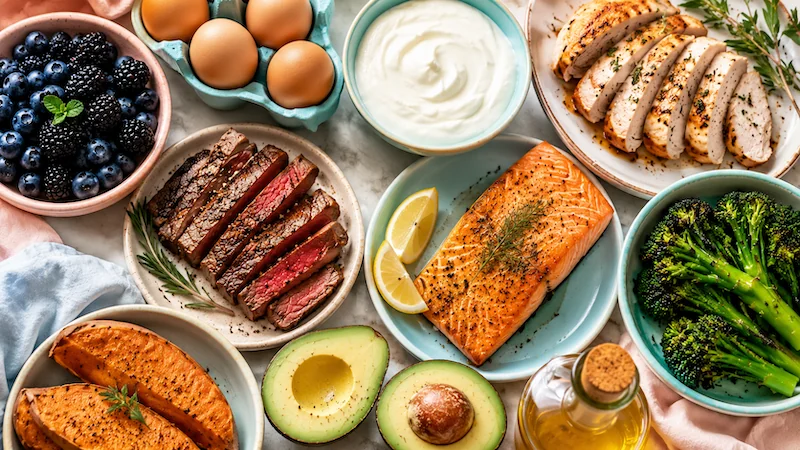
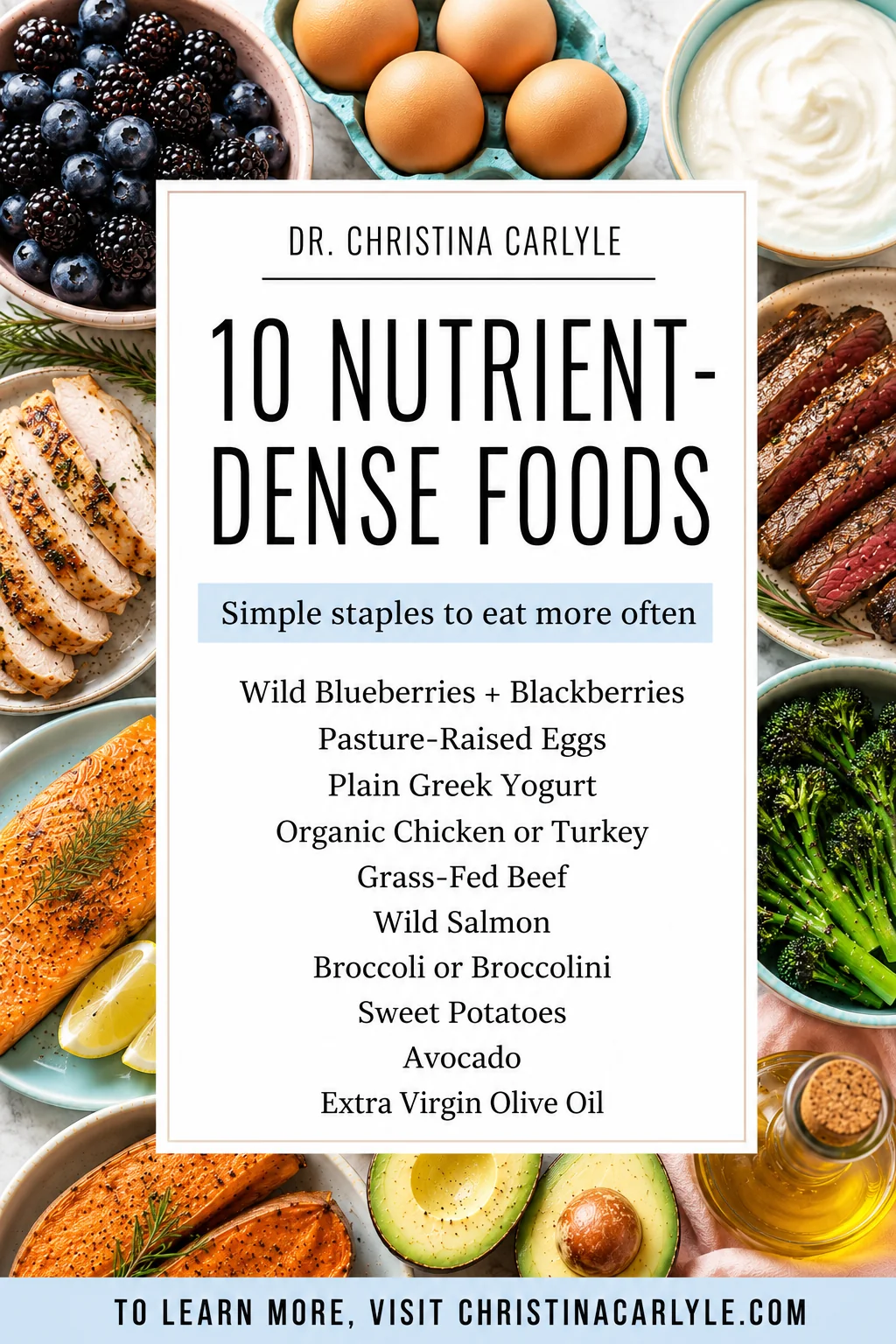
10 Nutrient dense foods Worth Eating More Often
1. Wild Blueberries and Blackberries
Wild blueberries and blackberries are easy, delicious, and packed with fiber, vitamin C, antioxidants, and anthocyanins, the blue-purple plant compounds linked with antioxidant and anti-inflammatory effects. Research on blueberries and anthocyanins is one reason berries are such a smart choice for brain, heart, blood sugar, and inflammation support.
Add them to Greek yogurt, smoothies, oatmeal, chia pudding, or eat them frozen when you want something sweet that still gives your body something useful.
2. Pasture-Raised Eggs
Eggs are one of the easiest nutrient-dense foods to use often. They provide high-quality protein, choline, B vitamins, selenium, iodine, and fat-soluble nutrients. Research on egg nutrition shows eggs offer essential nutrients in a moderate-calorie, low-cost, highly versatile food.
Choline is especially important for brain health, liver function, cell membranes, and hormone support. Scramble eggs with vegetables, boil them for quick snacks, or use them in breakfast bowls. If eggs work for your body, they are practical little nutrition powerhouses.
3. Plain Greek Yogurt
Plain Greek yogurt gives you protein, calcium, potassium, and, depending on the brand, beneficial live cultures. You can check the nutrient profile in USDA FoodData Central, which is one of the best places to verify what a food actually contains.
The key word is plain. Flavored yogurt can turn into dessert wearing a wellness hat. Add berries, cinnamon, or chia seeds instead. If dairy does not work for your body, skip it and choose another protein-rich option from this list.
4. Organic Chicken or Turkey
Organic chicken and turkey are not flashy, but they are useful, accessible, and easy to repeat. They provide high-quality protein, B vitamins, selenium, phosphorus, and amino acids your body needs for muscle, metabolism, immune function, blood sugar balance, and repair. USDA FoodData Central lists the nutrients in chicken breast, and similar lean poultry options can help make meals more filling without a lot of extra calories.
Use chicken or turkey in bowls, soups, salads, tacos, wraps, stir-fries, or sheet-pan meals. Easy counts. Repeatable counts even more.
5. Grass-Fed Beef
Grass-fed beef can be a great nutrient-dense food for people who tolerate it well. Beef provides complete protein, iron, zinc, vitamin B12, selenium, and other nutrients that support energy, strength, thyroid health, immune function, and tissue repair. A nutrient analysis of beef cuts found beef to be an excellent source of protein, niacin, vitamin B12, selenium, and zinc. The beef nutrient analysis gives a helpful look at why beef can be so supportive when used well.
You do not need a giant steak. A moderate serving of ground beef, steak, or burger patties with vegetables can be simple, satisfying, and nutrient-rich.
6. Wild Salmon
Wild salmon gives you protein plus omega-3 fats, especially EPA and DHA, which support brain health, mood, inflammation balance, hormones, and cellular function. Salmon also provides B vitamins, selenium, potassium, and vitamin D. Seafood nutrient research notes that salmon is one of the richer fish sources of vitamin D.
Bake it with lemon, garlic, and olive oil, add it to salads, or use canned salmon for quick bowls or patties. It feels more special than chicken, but it does not have to be complicated.
7. Broccoli or Broccolini
Broccoli and broccolini are easy to find, easy to cook, and packed with fiber, vitamin C, vitamin K, folate, and beneficial cruciferous plant compounds. USDA FoodData Central shows why broccoli earns its place as a high-nutrient, lower-calorie vegetable.
Roast it with olive oil, garlic, and sea salt. Add it to bowls, soups, eggs, or stir-fries. Cooked broccoli is also easier for many people to digest than huge raw cruciferous salads.
8. Sweet Potatoes
Sweet potatoes are one of my favorite nutrient-dense carb sources. They provide fiber, potassium, vitamin C, and beta-carotene, which the body can convert into vitamin A. The NIH explains that carotenoids can be converted into vitamin A, which supports vision, immune function, growth, reproduction, and healthy organ function.
Sweet potatoes are also satisfying, comforting, and meal-prep friendly. Roast them, bake them, mash them, or add them to bowls with protein and vegetables.
9. Avocado
Avocado gives you fiber, potassium, folate, vitamin E, and monounsaturated fats that help meals feel more satisfying. A review of Hass avocado nutrition notes that avocado provides fiber and mostly unsaturated fats in a normal serving.
Add avocado to eggs, bowls, salads, tacos, wraps, or smoothies. Because avocado is calorie-dense, portion matters. Half an avocado can do the job beautifully.
10. Extra Virgin Olive Oil
Extra virgin olive oil is rich in monounsaturated fats and plant compounds called polyphenols. Research links olive oil intake with cardiovascular and metabolic benefits, and olive oil research connects monounsaturated fats and polyphenols with lower cardiovascular risk.
Use it on salads, roasted vegetables, bowls, or as a finishing oil. Since it is calorie-dense, use it intentionally. A tablespoon or two can add flavor, satisfaction, and nutrient absorption support without turning dinner into an oil slick.
How to Eat Nutrient-Dense Foods Easily
You do not need an overcomplicated recipe. Simply pair these foods together into meals you can repeat.
Try eggs with avocado and berries. Chicken with roasted broccoli, sweet potato, and olive oil. Greek yogurt with wild blueberries. Grass-fed beef with broccolini and avocado. Salmon with sweet potato and a simple salad.
The goal is not perfect meals. The goal is better meals, repeated often enough that your body notices.
Why You Should Eat More Nutrient Dense Foods
When you eat more Nutrient dense foods, you give your body more of the raw materials it needs to work well. That can help support:
- Steadier energy
- Fewer cravings
- Better blood sugar balance
- Improved satiety
- More stable mood
- Stronger muscles and better recovery
- Healthier hormones
- Better immune function
- Lower inflammation load
- Clearer focus and less brain fog
This is why I care so much about food quality. A lot of clients think they need more discipline, but many times, their body needs more nourishment. When your meals actually support your metabolism, healthy choices get easier because your brain and body are not running on fumes.
A Note About Nutrient Dense Foods and Your Metabolic Type
Just because these foods are full of nutrients does not mean every single one is perfect for your metabolic type. For example, eggs may be amazing for one person, but the wrong fit for someone else if they cause digestive issues, inflammation, or symptoms. Greek yogurt may work beautifully for one body and terribly for another.
That matters because it is not just what you eat. It is what your body can digest, metabolize, absorb, and use.
If you want to know which foods are most likely to work with your body instead of against it, take my Metabolic Type Quiz. Eating for your metabolic type helps you choose the right fuel for your body so you can burn fat, boost energy, support hormones, reduce symptoms, and feel good without guessing.
Final Thoughts on Nutrient dense foods
Nutrient dense foods are one of the best places to start when you want more energy, fewer cravings, better health, and meals that actually support your body. Start with one or two foods from this list. Add berries to breakfast. Make chicken with broccoli and sweet potato for dinner. Add avocado or olive oil to make meals more satisfying.
Keep it easy enough that you will actually do it, because consistency beats complicated every single time.
I hope this article helped you.
If you have any questions, let me know in the comments.
Forever rooting for you,
Dr. Christina Carlyle
Save this article so you can come back to these nutrient-dense food ideas when you’re planning meals, grocery shopping, or sharing healthy inspiration with someone who needs it.

Metabolic Type Meal Plan Results
Eating Healthy But Not Seeing Results?
The solution is eating for your unique metabolic type - When you eat foods that match your Metabolic Type you can lose weight and feel great 3 times faster. Take the Metabolic Type Quiz to discover your type and the meal plan that's best for you.
TAKE THE QUIZIf you liked this article, you’ll also like these posts
- Functional Foods: My Secret Weapon for Better Health
- 7 Foods that Boost Metabolism Most
- Best Anti Inflammatory Foods & Supplements
- How to Reduce Inflammation Naturally
- Foods Highest In Protein

Dr. Christina Carlyle is a Doctor of Functional Medicine, FDN-P, Nutritionist, & Trainer who transformed her body and health – getting off 7 medications and losing 40 pounds for good. Now, she helps other women get happy, healthy, and fit – quickly & naturally – without any BS