Last Updated on June 5, 2026
Concerned about tick bites and how to treat a tick bite? Ticks have been coming up lately in client sessions, in my DMs, and especially with people who live in northern areas where tick exposure is a very real concern. And yes, there’s good reason to be concerned.
Here’s the thing I want you to know before you brush off a tick bite as “probably fine.”
You do not have to have a dramatic rash, a bullseye, or obvious symptoms right away for a tick bite to deserve your attention.
If I found a tick on me, on a family member, friend, or even suspected a possible bite after being outside, I would act quickly. Not panic. Not spiral. Not consult Dr. Google. I’d act and I’d act fast…
In this post, I’m walking you through what can happen after a tick bite, what a reaction can look like, symptoms to watch for, and the tick bite treatment protocol I’d personally want on hand.
Why You Shouldn’t Ignore a Tick Bite
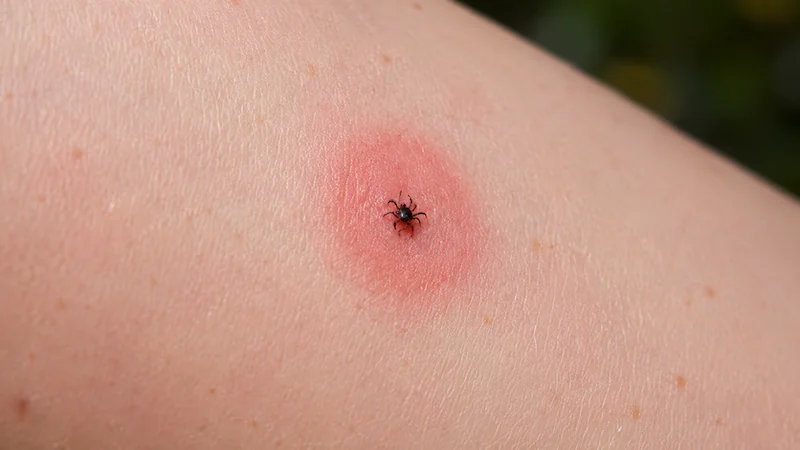
A tick bite is not something I would “wait and see” for weeks, especially if the tick was attached, engorged, or you’re not sure how long it was there.
Ticks can carry infections like Lyme disease, Bartonella, Babesia, ehrlichiosis, anaplasmosis, and other co-infections. According to the CDC, tickborne diseases can cause fever, chills, headache, fatigue, muscle aches, joint pain, and sometimes a rash, but the presentation can vary from person to person. The CDC explains common tickborne diseases and their symptoms.
And this is where people get tripped up: they’re waiting for the famous bullseye rash.
Please please please don’t wait for a reaction… and I’m speaking from personal experience… Here’s a pic of my reaction to a bite 10 years ago.
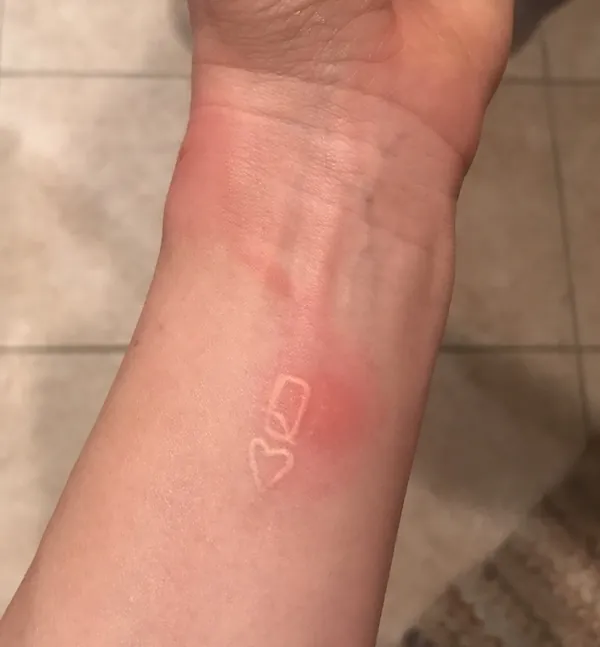
This reaction wasn’t from a tick bite FYI – this was a reaction from a bed bug bite. And I wanted to bring that up because the treatment in this post covers all bug bites. Which brings me to my next point…
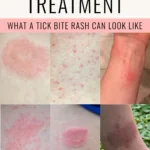
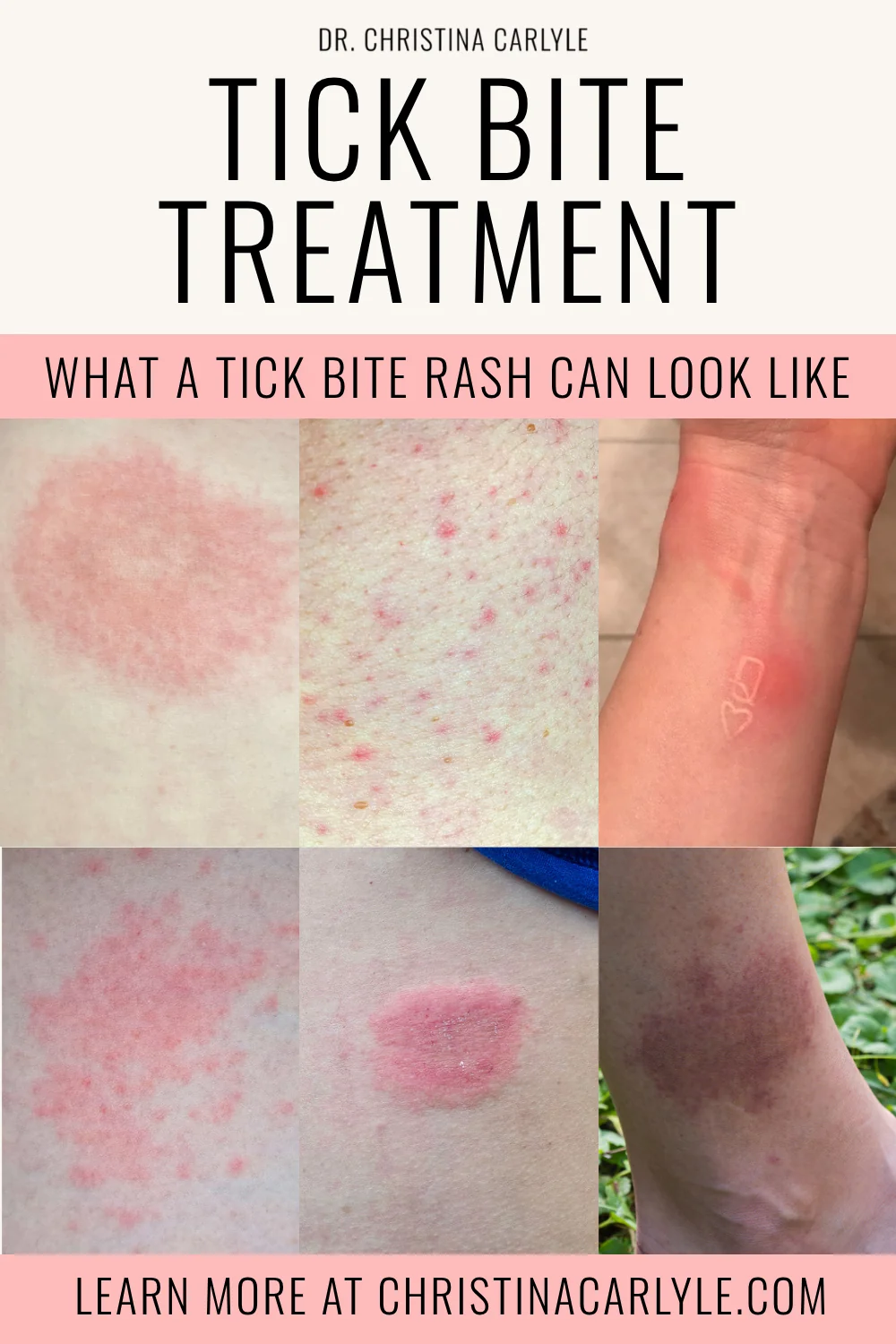
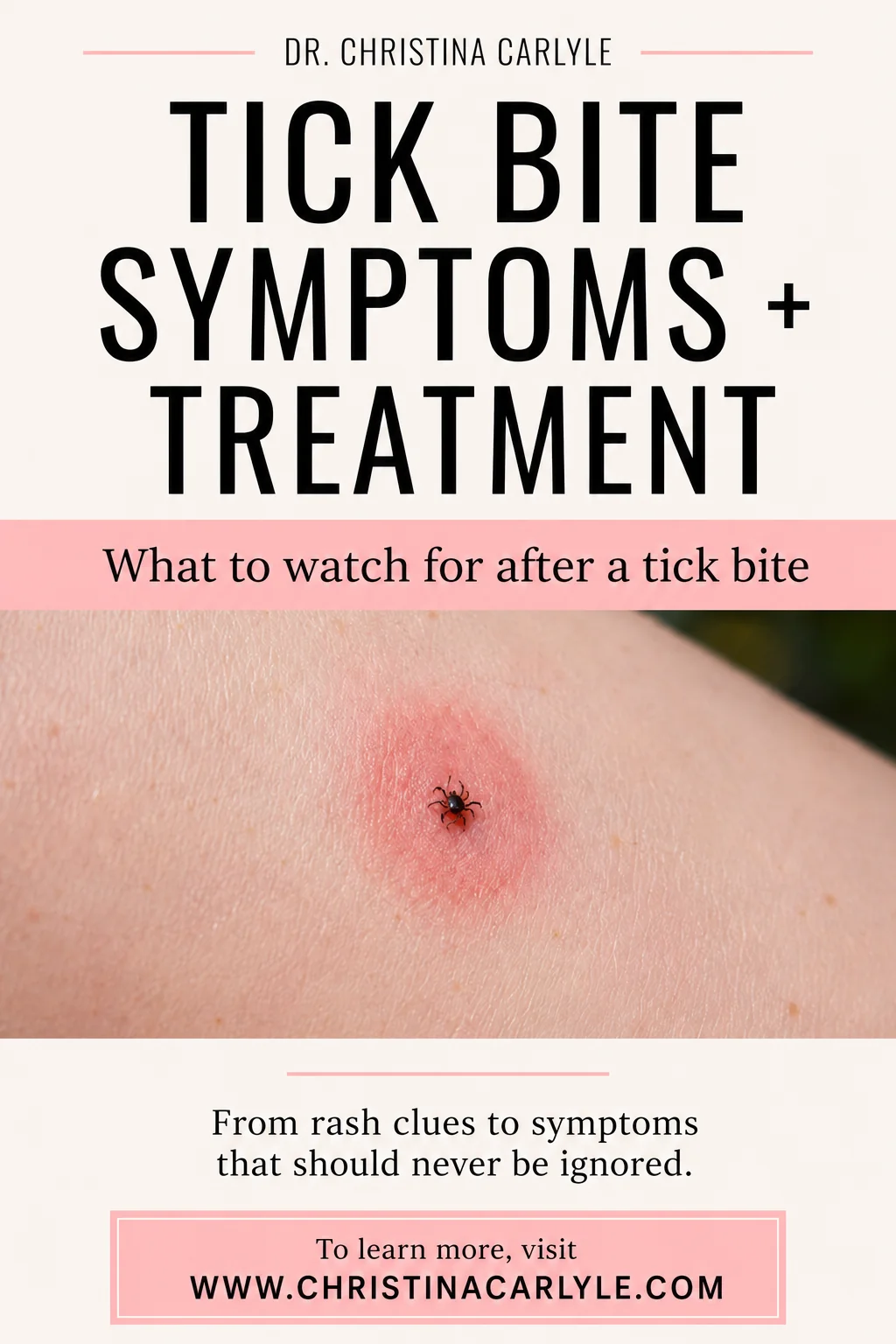
A bullseye rash can happen, but it’s not guaranteed. Some people get a red expanding rash. Some get a blotchy rash. Some get swelling, bumps, itching, irritation, or a weird patch that looks like any other bug bite. Some people get no noticeable skin reaction at all.
One more thing that should be on your radar related to tick bites: alpha-gal syndrome. Certain tick bites, especially from the Lone Star tick, have been linked to alpha-gal syndrome, which is a delayed allergic reaction to meat and sometimes other mammal-derived products. This can show up as hives, itching, swelling, stomach pain, nausea, diarrhea, or even more serious allergic symptoms hours after eating foods like beef, pork, or lamb… and trust me you DO NOT WANT THAT.
So if you notice new reactions to red meat, high-fat animal foods, gelatin, dairy, or foods you used to tolerate after a tick bite, please don’t ignore it. That’s a very good reason to talk with your healthcare provider and consider a deeper root-cause assessment, especially if other symptoms are showing up too.
That’s why my functional practitioner brain says: if you know or strongly suspect a tick bite happened, cover your bases early.
What a Tick Bite Reaction Can Look Like
A tick bite reaction can look different depending on your immune system, skin sensitivity, what the tick may have carried, and what else is already going on in your body.
It may look like:
- A bullseye or target-shaped rash
- A red patch that spreads
- A swollen bite mark
- Raised bumps or hives
- A purple, bruised, or irritated area
- Itching, burning, tenderness, or warmth
- No rash or reaction at all
Also worth noting: reactions can be delayed.
When I was bitten (reaction pictured above) the reaction didn’t show up immediately. It showed up a few days later, which is one reason bites can be hard to connect back to the source.
A “small” or delayed bite doesn’t automatically mean your body is handling it either.
A stronger reaction may simply mean you’re allergic, extra sensitive to toxins (like me) or that your body is already dealing with inflammation, gut issues, hormone stress, toxic burden, immune/metabolic dysfunction, or another underlying root cause or co-infection is making you more reactive.
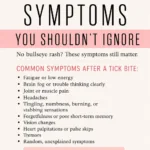
Common Symptoms After a Tick Bite
Symptoms from tick-related infections don’t always show up right away. They can be subtle, random, and easy to dismiss.
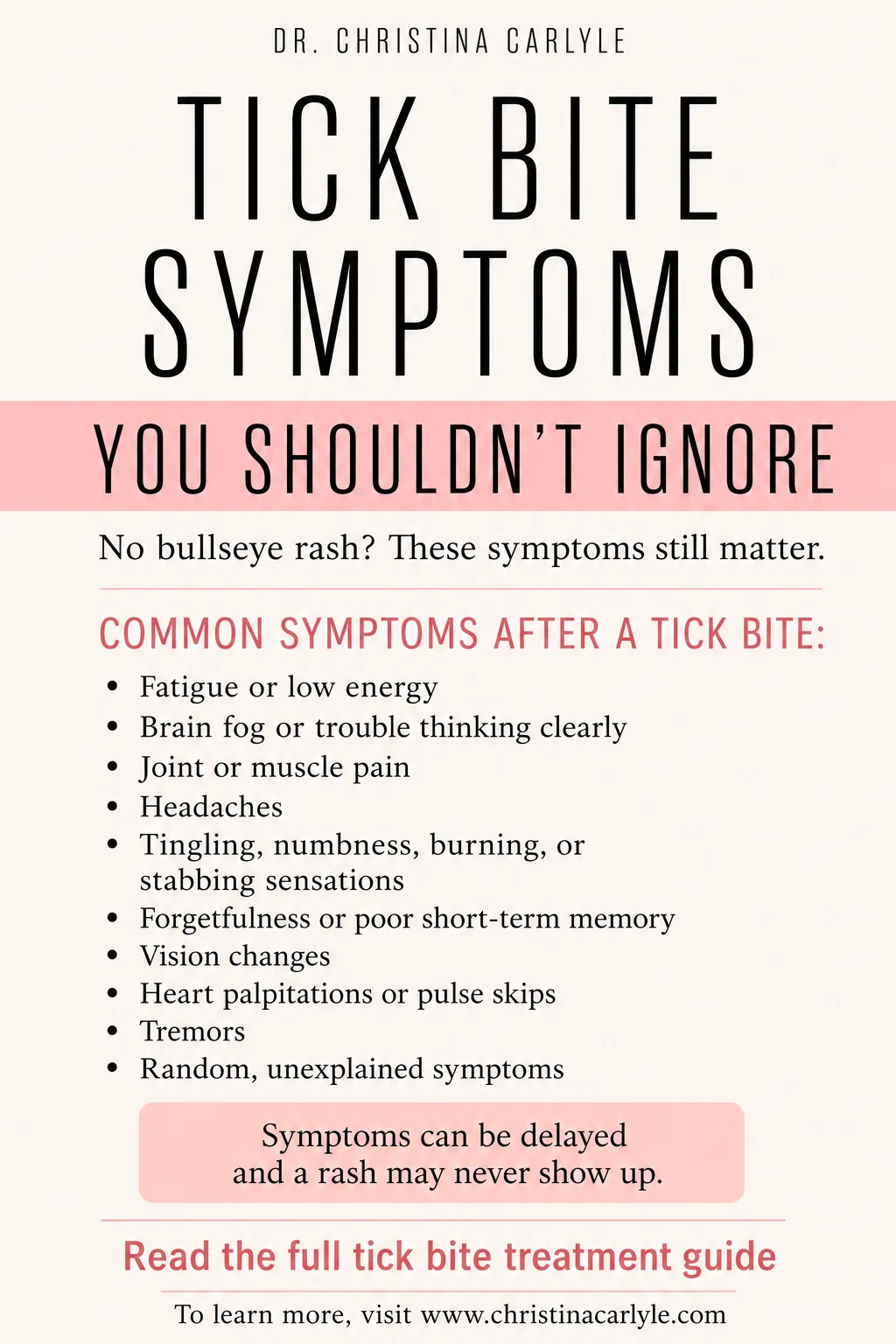
Some common symptoms to watch for include:
- Fatigue or low energy
- Brain fog or trouble thinking clearly
- Headaches
- Joint pain or muscle aches
- Neck stiffness or pain
- Tingling, numbness, burning, or stabbing sensations
- Heart palpitations or pulse skips
- Forgetfulness or poor short-term memory
- Vision changes
- Tremors or neurological symptoms
- Random, unexplained symptoms that seem to move around
The CDC recommends contacting a healthcare provider if you develop a rash or fever within several weeks of removing a tick, and to tell your provider about the bite, when it happened, and where you likely picked it up.
From a functional perspective, I also assess your overall health (your MD doesn’t.)
If someone already has gut symptoms, hormone issues, fatigue, headaches, aches, pains, skin flares, mood changes, poor sleep, or immune issues, I don’t look at the tick bite in isolation. I look at – and assess – every system and symptom you have.
Your body’s response to a tick bite depends partly on your overall health going into it. If your immune system, gut, hormones, or detox pathways are already stressed, the reaction can be stronger and symptoms may be harder to shake… and harder to treat depending on whatever else may be going on with you.
Tick Bite Treatment: What to Do First
If you find a tick attached to your skin, start with proper removal.
The CDC recommends using clean, fine-tipped tweezers to grasp the tick as close to the skin as possible, then pulling upward with steady, even pressure. Don’t twist it, burn it, smother it with petroleum jelly, or paint it with nail polish. After removal, clean the bite area and your hands with rubbing alcohol, soap and water, or an iodine scrub.
Here’s what I’d do immediately:
- Remove the tick properly.
- Clean the bite area well.
- Take a clear photo of the bite.
- Save the tick in a sealed bag or container if possible.
- Write down the date, location, and how long you think it was attached.
- Start post-bite support protocol (below) right away.
If you’ve been bitten this is not the time to be casual. If we were playing Monopoly, this is “do not pass go, do not collect $200” moment. You found the tick, so you need to act immediately because time is of the essence.
My Post Tick-Bite Support Protocol
This is the tick bite treatment protocol I like to have on hand for acute, new exposure. This is educational and not personal medical advice, so please run new health decisions by your own provider, especially if there’s pregnancy, medication use, immune conditions, or complex health histories to consider. If you need a functional practitioner you can start the process to work with me here.
Step 1: Immediately
- Remove the tick properly.
- Clean the area well.
- Apply IS-BORR topically to the bite area.
Step 2: Days 1 to 3
- IS-BORR: 1 teaspoon, 6 times per day
- IS-BAB: 1 teaspoon, 6 times per day
Step 3: Days 4 to 6
- IS-BART: 1 teaspoon, 6 times per day
- IS-BOOST: 1 teaspoon, 6 times per day
Step 4: Days 7 to 14
- Para 3: 2 droppers, 4 times per day
- Para 4: 4 capsules, 4 times per day
You can register and account to be able to order these products here.
Use Patient Direct Code: dW7NRP9q to create your account and to be able to order
Additional Support
- Biotoxin Binder
- KL Support
The Biotoxin Binder is needed to help bind bacterial byproducts and other unwanted compounds so they can be excreted through the body’s drainage pathways. KL Support is used for additional kidney and lymphatic drainage support, because when the body is dealing with a big exposure, drainage matters.
Again, this is the kind of thing I want people prepared for before they need it. Nobody wants to be panic-searching supplement names while scratching a mystery rash in the bathroom mirror.
This is NOT medical advice, this is an example protocol I typically use with my clients. I always encourage you to run new health decisions by your functional provider or medical team.
When a Tick Bite Needs a Deeper Root Cause Look
If you had a tick bite in the past, suspect you may have been bitten, or you’re now dealing with mystery symptoms like fatigue, brain fog, headaches, aches, pains, tingling, mood changes, hormone issues, gut problems, skin flares, or poor recovery, I would not stop at treating the bite site.
I would want to understand what’s happening underneath.
In my practice, reactions are often bigger when the body is already burdened. That may include gut inflammation, poor detox capacity, sluggish drainage, chronic stress, hormone imbalances, nutrient deficiencies, mold exposure, parasites, or other infections. The tick bite may not be the only issue. It may be the thing that finally tips the bucket.
That’s why a one-on-one Root Cause Assessment can be so helpful if your symptoms are lingering, confusing, or not improving.
During a Root Cause Assessment, we look at your symptoms, health history, timeline, possible triggers, and the root causes that may be making your body more reactive or less resilient.
Because you deserve more than a prescription and a follow-up appointment from an MD… you deserve a full functional review and personalized treatment plan that’ll get you the results you deserve.
Final Thoughts on Tick Bite Treatment
My biggest takeaway for you is this: don’t panic if you’re bitten, but don’t ignore it either.
A tick bite treatment plan works best when you act early, support the body quickly, track symptoms, and get help if anything feels off. You don’t need to wait for a bullseye rash. You don’t need to wait until you “feel sick” or “have weird symptoms.” And definitely don’t gaslight yourself if you’ve been bitten in the past and your body is showing you symptoms you (or your MD) can’t figure out.
If you found a tick, suspect a tick bite, or have mystery symptoms that started after a bite or outdoor exposure in the past, be proactive. Remove the tick properly, clean the area, support your body, and get a practitioner in your corner if symptoms persist or your health history is already complicated.
I hope this post helped you understand what to do after a tick bite and why early, thoughtful support matters.
If you liked this post or have questions, let me know in the comments.
Forever rooting for you,
Dr. Christina Carlyle

Metabolic Type Meal Plan Results
Eating Healthy But Not Seeing Results?
The solution is eating for your unique metabolic type - When you eat foods that match your Metabolic Type you can lose weight and feel great 3 times faster. Take the Metabolic Type Quiz to discover your type and the meal plan that's best for you.
TAKE THE QUIZIf you liked this article, you’ll also like these posts
- Symptoms of Parasites in Humans
- Symptoms of Toxins: Top 10 Signs You Need to Detox
- Leaky Gut
- Gut Microbiome
- Adrenal Fatigue Symptoms

Dr. Christina Carlyle is a Doctor of Functional Medicine, FDN-P, Nutritionist, & Trainer who transformed her body and health – getting off 7 medications and losing 40 pounds for good. Now, she helps other women get happy, healthy, and fit – quickly & naturally – without any BS