
Last Updated on March 6, 2025
Toxins are an unfortunate part of modern life. They are present in the food we eat, the products we use, the air we breathe, and even in our surroundings. As a functional health practitioner, I’ve worked with countless clients who struggle with symptoms like fatigue, weight gain, mood swings, brain fog, and inflammation—all of which can be linked to toxin buildup in the body.
When I discussed microplastics in food (a very problematic toxin) studies estimate that the average person consumes about 5 grams of plastic weekly, roughly equivalent to the weight of a credit card. Another estimates the total mass of ingested microplastic particles equals 50 plastic bags per year. This figure includes microplastics ingested through food, drinking water, and inhalation of particles in the air.
The good news is that there are ways to reduce your exposure to toxins, support your body’s detoxification processes, and ultimately regain control of your health… making it easier to heal, feel good, stall aging, and lose weight in the process.
In this blog post, I’m diving head first into the world of toxins—and covering what they are, how they affect your health, weight, and mood, and how you can reduce your exposure to them.
I’ll also explore the most common sources of toxins in our daily lives, including household products, personal care items, and even beauty products like makeup, nail polish, and hair care. Plus, I’ll provide actionable tips to help you reduce your toxin load, improve your overall wellness, and give you the tools to feel better and more vibrant.
Let’s get started.
What Are Toxins?
Toxins are harmful substances that can damage cells and disrupt normal biological functions in the body. They can originate from natural sources, such as plants and animals, or from man-made chemicals. Toxins can enter our bodies through ingestion, inhalation, or absorption through the skin, where they can accumulate in tissues and organs. Over time, they may cause a variety of symptoms, including chronic illness, weight gain, fatigue, mood disturbances, and even disease.
The body has natural detoxification processes, primarily involving the liver, kidneys, and digestive system, that help to remove toxins. However, the sheer volume of toxins in our modern environment can overwhelm these systems, leading to toxic buildup and clogged detox pathways. This buildup can lead to several health issues, including weight gain, hormonal imbalances, skin problems, and mood disturbances. Understanding and reducing your exposure to toxins can have a transformative effect on your health and well-being.
How Toxins Affect Health, Weight, and Mood
Toxins can affect many areas of your body, causing health, weight, and mood issues & symptoms in the process. Here’s how:
Health
Toxins can have a wide range of effects on your health. In the short term, you might experience symptoms like energy, aches/pains, headaches, fatigue, digestive issues, or skin problems. Over time, long-term exposure to toxins can lead to more serious health conditions, such as cardiovascular disease, liver damage, and neurological disorders.
-
Heavy Metals: Lead, mercury, and cadmium are examples of heavy metals that are often found in contaminated food, water, and the environment. Long-term exposure to these metals can cause cognitive decline, kidney damage, and cardiovascular disease. Research has linked these metals to neurological impairments and developmental delays in children. Heavy metals are very common from metal cups, low quality supplements & garbage protein powders fyi…
-
Pesticides: Commonly used in agriculture, pesticides can make their way into the food we eat. They’ve been linked to hormone imbalances, immune system dysfunction, and even cancer. Pesticide exposure has been shown to interfere with the endocrine system, leading to issues like thyroid dysfunction and reproductive problems. This study highlights the long-term health risks of pesticide exposure.
Weight
Toxins can contribute to weight gain or difficulty losing weight. A lot of my clients struggle to lose weight on their own because they have Many environmental toxins, called “obesogens,” disrupt the body’s natural fat storage and metabolism processes. These chemicals can mimic hormones, interfere with normal metabolic pathways, and lead to increased fat accumulation.
-
Bisphenol A (BPA): Found in plastic bottles, food containers, and other consumer goods, BPA has been linked to weight gain, insulin resistance, and metabolic disorders. Research suggests that BPA exposure can increase fat storage and disrupt metabolic functions, making it harder to lose weight.
-
Phthalates: Found in personal care products, cleaning products, and plastics, phthalates can disrupt the body’s hormone systems and contribute to weight gain. Studies show that exposure to phthalates can lead to increased fat storage and a slower metabolism. This study explores the connection between phthalates and obesity.
Mood
Toxins can also have a significant impact on your mood and mental health. Many chemicals, such as pesticides, heavy metals, and phthalates, have been linked to mood disorders like anxiety, depression, and irritability. These toxins can interfere with neurotransmitter function, leading to imbalances that affect mood and cognitive function.
-
Pesticides: Certain pesticides, such as neonicotinoids, have been shown to damage brain tissue and affect behavior. A study found that exposure to these chemicals can result in cognitive and behavioral impairments.
-
Heavy Metals: Chronic exposure to heavy metals like mercury and lead can cause neurotoxicity, leading to mood swings, anxiety, depression, and cognitive decline. Research highlights the links between heavy metal exposure and mood disturbances.

Pin this to Pinterest so you’ll have it forever
Examples of Toxins
Toxins can be grouped into several categories based on their origin.
Here are some of the most common types of toxins and examples of where they can be found:
Chemical Toxins
- Lead
- Mercury
- Arsenic
- Cadmium
- Cyanide
- Pesticides (e.g., glyphosate, DDT)
- Asbestos
These chemicals are often found in contaminated water, air, soil, household products, and certain foods.
Biological Toxins
- Botulinum toxin
- Mycotoxins (e.g., aflatoxin, zearalenone)
- Bacterial toxins (e.g., staphylococcal enterotoxin)
- Viral toxins (e.g., HIV, Ebola)
- Snake venom
These toxins are produced by organisms like bacteria, fungi, and animals.
Natural Toxins
- Plant toxins (e.g., ricin, muscarine)
- Animal toxins (e.g., puffer fish toxin, scorpion venom)
- Algal toxins
Naturally occurring toxins found in certain plants, animals, and marine environments.
Man-Made Toxins
- Industrial chemicals (e.g., dioxin, polychlorinated biphenyls)
- Pharmaceutical drugs (e.g., chemotherapy agents, antibiotics)
- Weapons of mass destruction (e.g., sarin gas, anthrax)
These toxins are a result of industrial activities and warfare.
Environmental Toxins
- Heavy metals in soil and water
- Air pollutants (e.g., carbon monoxide, nitrogen dioxide)
- Radioactive substances (e.g., uranium, plutonium)
Pollution from industrial and environmental sources can have widespread effects on human health.
Common Sources of Toxins
Toxins are present in many of the everyday products we use, including personal care items, cleaning products, and food. Here’s where they often come from:
Household Products
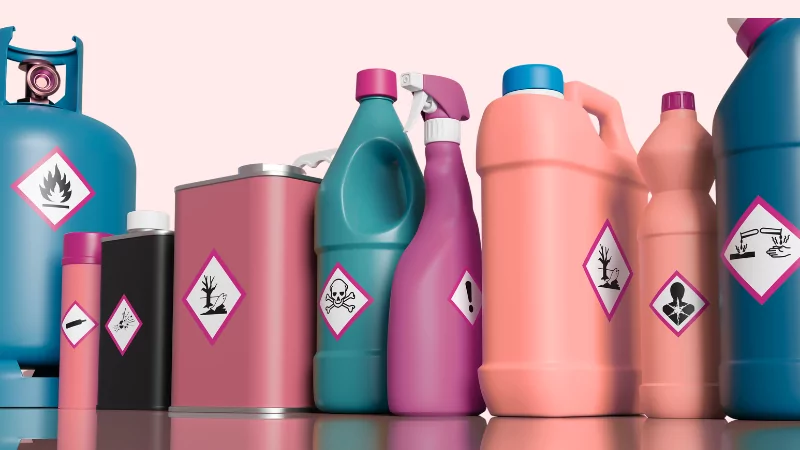
- Cleaning products: Conventional cleaning products contain toxic chemicals like ammonia, bleach, and formaldehyde. These substances can cause respiratory problems and irritate the skin.
- Air fresheners: These often contain synthetic fragrances and VOCs (volatile organic compounds), which can contribute to headaches, dizziness, and allergies.
- Furniture and carpets: Many household items, including furniture and carpets, are treated with toxic flame retardants and off-gas chemicals like formaldehyde.
Beauty and Personal Care Products
- Shampoos and conditioners: These often contain parabens, phthalates, and synthetic fragrances, which can disrupt hormones and irritate the skin.
- Nail products: Nail polish and removers often contain toxic chemicals like toluene, formaldehyde, and dibutyl phthalate. These substances have been linked to hormonal imbalances, reproductive issues, and respiratory problems.
- Hair dyes: Conventional hair dye products contain ammonia, lead acetate, and other chemicals that can be absorbed through the scalp, potentially affecting your health.
Electromagnetic Fields (EMFs)
In addition to chemicals, we are also exposed to EMFs (electromagnetic fields) from devices like cell phones, Wi-Fi routers, and microwaves. Prolonged exposure to EMFs has been linked to a range of health problems, including headaches, fatigue, sleep disturbances, and an increased risk of neurological issues. Reducing EMF exposure can help prevent these health concerns. This is why I’ll never use a ‘smart’ watch or wire free headphones!
Food
- Pesticides & Fertilizers: Many conventionally grown fruits and vegetables are sprayed with pesticides & fertilizers, which can end up in your food.
- Preservatives: Processed foods often contain chemical preservatives, artificial sweeteners, and synthetic dyes, which can negatively impact your health.
- Plastic packaging: Chemicals like BPA (bisphenol A) from plastic packaging can leach into food, particularly when heated.
- Cookware: Nonstick cookware and plastic food cooking utensils, and plastic food storage containers are very common sources of toxins, especially black plastic as it’s recycled and degrades into foods/drinks most.
Air
- Indoor pollutants: Items like carpets, furniture, and cleaning products can contribute to indoor air pollution, increasing exposure to VOCs and other chemicals.
- Outdoor pollutants: Airborne toxins like carbon monoxide and nitrogen dioxide are common pollutants that contribute to respiratory issues and cardiovascular disease.
How to Reduce Toxin Exposure: Tips for a Healthier Life
Reducing your exposure to toxins is crucial for improving your health, weight, and mood. Here are some practical tips:
-
Use Non-Toxic Household Products: Choose natural cleaning products, or make your own using ingredients like vinegar, baking soda, and essential oils. These are effective and non-toxic. Here’s a good homemade cleaner recipe to try.
-
Choose Natural Beauty Products: Opt for beauty products that are free of parabens, phthalates, and synthetic fragrances. Look for brands that use organic or natural ingredients. You can use apps like Think Dirty to see if your products are safe or not.
-
Eat Organic and Whole Foods: Organic fruits and vegetables are grown without harmful pesticides, and they contain fewer toxins. Eating whole foods reduces your intake of preservatives and additives. At a minimum eat the Dirty Dozen organic.
-
Invest in an Air Purifier: An air purifier can help reduce indoor pollution, especially in environments with high levels of VOCs or dust. I use this air purifier in my bedroom. I love it! It also helps prevent allergy flares, mouth breathing, and snoring!
-
Limit EMF Exposure: Reduce your exposure to EMFs by keeping your phone away from your body, using airplane mode when not in use, and turning off Wi-Fi at night. I use this EMF Blocking blanket/poncho to block emf when I’m working. I can tell a huge difference in my energy when I use it.
-
Stay Hydrated: Drinking plenty of water helps your body flush out toxins, supporting the natural detox process. Use my Water Intake Calculator to see how much you need.
These tips are a good place to start. BUT if you have any symptoms of toxins then it’s safe to assume that your toxin threshold has been reached and/or that your detox pathways are clogged.

Take Action: Cleanse
To truly support your body’s detoxification processes, consider doing a full body metabolic cleanse. Here’s how each method can help:
-
A Cleanse: A detox cleanse helps eliminate toxins and reset your metabolism. It allows your body to focus on flushing out accumulated toxins and replenishing essential nutrients. My Reset Cleanse cleanses the body of toxins, opens detox pathways, and boosts metabolism. You can lose up to 10 pounds of toxins and fat in 7 days and radically reverse other symptoms, too. The best part? You get to eat unlimited servings of Reset Friendly foods.
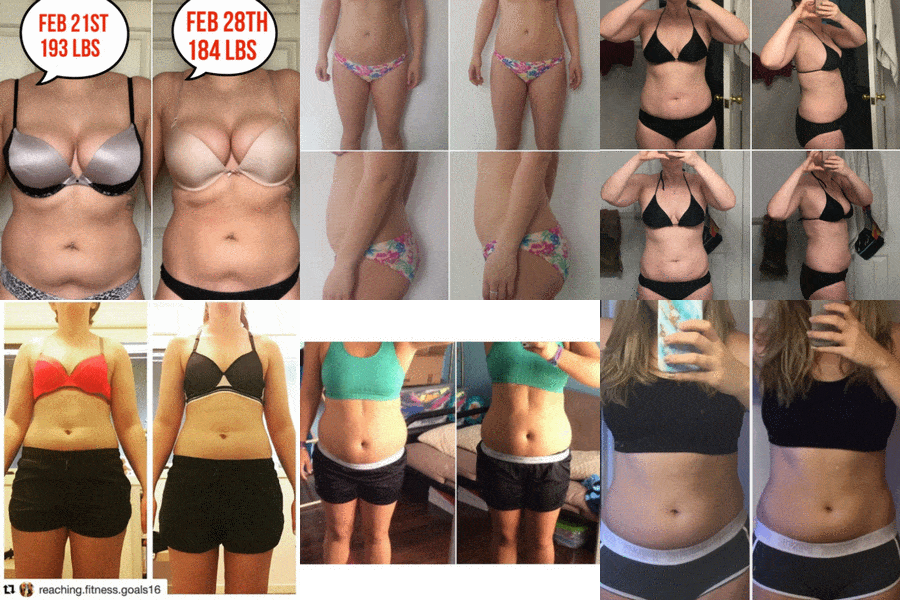
Cutting toxins and sources of them from your diet and lifestyle is a good start – but nothing’s going to work faster or better than a real deal detox which is why I recommend my Reset Cleanse because I know how safe and effective this is… as you can see in the photos of Reset Cleanse results above… all of these ladies had symptoms of toxicity.
Living in a world filled with toxins doesn’t mean we have to accept poor health. By reducing your exposure to harmful chemicals, choosing natural products, and supporting your body’s detoxification pathways and purging toxins regularly with my Reset Cleanse, you can regain control of your health, weight, and mood. The benefits of living a toxin-free life are profound, from feeling more energized to experiencing less cravings, pain, bloat, getting clearer skin, haing better digestion & sleep, sharper focus, and better mood.
I encourage you to take action today by incorporating some of the tips mentioned here into your daily routine. If you’re looking for a more structured approach to detoxification and improving your health, consider a cleanse. With the right steps, you can start living a healthier, more vibrant life free from toxins.
WOOHOO!
These tips only work if you work it. So work it! The results are so worth it.
Your Coach & Biggest Cheerleader,

Now if you’re already pretty clean and aren’t a candidate for a detox – meaning you don’t have symptoms of toxicity BUT you do have weight and some health issues you want to address – my next best recommendation would be to eat for your unique metabolic type. Not all metabolic types can digest & metabolize things the same way.
When you’re eating foods that don’t match your metabolic needs – they can clog you systems and detox pathways. Eating foods for your metabolic type can help you optimize your body’s natural detox processes.

Metabolic Type Meal Plan Results
Eating Healthy But Not Seeing Results?
The solution is eating for your unique metabolic type - When you eat foods that match your Metabolic Type you can lose weight and feel great 3 times faster. Take the Metabolic Type Quiz to discover your type and the meal plan that's best for you.
TAKE THE QUIZThis personalized approach ensures your body gets the right nutrients to support detoxification and overall health. If you’re unsure which approach is best for you, take my Metabolic Type Quiz to get personalized recommendations based on your unique body needs.


Dr. Christina Carlyle is a Doctor of Functional Medicine, FDN-P, Nutritionist, & Trainer who transformed her body and health – getting off 7 medications and losing 40 pounds for good. Now, she helps other women get happy, healthy, and fit – quickly & naturally – without any BS
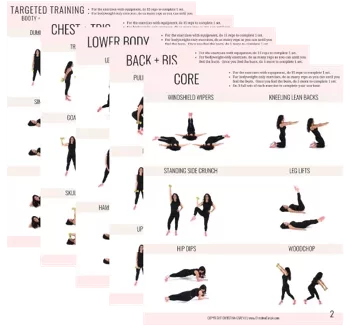


Purchased the metabolic meal plan. Very good program. Excellent information. Very detailed and complete. Doing well on it. Lost 4 lbs so far. Will continue. Your exercise programs are great and can be done by all. Thank you for your well written quality programs.
YAY!! Wow, that’s amazing, Karen! I’m so glad you’re enjoying the Metabolic Type Meal Plan and seeing great results already—4 lbs down is fantastic! Keep up the great work, and I’m thrilled you’re finding the exercise programs doable and effective. Thank you for your kind words and support! Keep me posted on your progress xo CC