
Last Updated on July 14, 2026
Wondering what causes inflammation and whether it could be connected to symptoms like stubborn weight gain, bloating, fatigue, joint pain, brain fog, anxiety, digestive issues, or poor sleep?
I see signs of chronic inflammation in many of the women I work with, especially when they feel like they’re doing everything “right” but still don’t feel good. They may be eating better, exercising, and trying to manage stress, yet their body still feels swollen, tired, achy, or resistant to change.
Inflammation isn’t always bad. It’s part of the body’s natural healing response. The problem begins when that response stays activated for too long.
In this post, I’ll explain how inflammation affects the body, show you common symptoms to watch for, break down the 11 root causes of inflammation, and share practical ways to start reducing it.
What Is Inflammation?
Inflammation is a protective response used by the immune system to fight infections, repair damaged tissue, and respond to injury or irritation. When the body detects a threat, it releases immune cells and chemical messengers that help contain the problem and begin the healing process.
Research explains that inflammation is a normal response to harmful stimuli. Acute inflammation is temporary and helpful. It’s what causes redness, warmth, swelling, and tenderness around a cut or injury.
Chronic inflammation is different. It can continue for weeks, months, or longer when the body is repeatedly exposed to stressors or when the inflammatory response doesn’t fully shut off.
That prolonged state can affect your tissues, hormones, metabolism, digestion, mood, energy, and immune function.
How Inflammation Affects the Body
Chronic inflammation doesn’t always stay confined to one sore joint or irritated area. Because the immune system communicates throughout the body, ongoing inflammation may affect several systems at once.
Physical Health
- Chronic disease risk: Long-term inflammation is associated with cardiovascular disease, type 2 diabetes, autoimmune conditions, neurodegenerative disease, and certain cancers.
- Immune dysfunction: Persistent inflammation may interfere with normal immune regulation and make it harder for the body to respond appropriately to infections.
- Tissue damage: Inflammatory chemicals can damage healthy cells and tissues when they remain elevated for too long.
- Pain and stiffness: Inflammation can contribute to swollen joints, muscle pain, reduced mobility, headaches, and general discomfort.
- Digestive problems: Inflammation in the digestive tract may be associated with bloating, abdominal discomfort, diarrhea, constipation, and food sensitivities.
Mental Health and Brain Function
Inflammation can also affect the brain and nervous system. Neuroinflammation has been studied in connection with depression, anxiety, cognitive decline, and changes in mood and behavior.
- Brain fog: You may have trouble concentrating, remembering details, or thinking clearly.
- Mood changes: Inflammatory signaling may affect neurotransmitters involved in mood regulation.
- Stress sensitivity: Chronic inflammation can interact with the stress response and contribute to elevated cortisol, poor sleep, and emotional exhaustion.
Metabolism and Weight
Inflammation can make weight loss feel much harder than it should. It may interfere with insulin signaling, appetite regulation, energy production, and the hormones involved in hunger and fullness.
- Insulin resistance: Chronic inflammation can make it harder for cells to respond properly to insulin.
- Visceral fat: Fat stored around the abdominal organs can release inflammatory substances that keep the cycle going.
- Leptin resistance: Inflammation may interfere with the hormone that helps your brain recognize fullness.
- Low energy: When the immune system remains activated, your body may redirect energy away from movement, recovery, and normal metabolic function.
Pin this to Pinterest so you’ll have it forever.
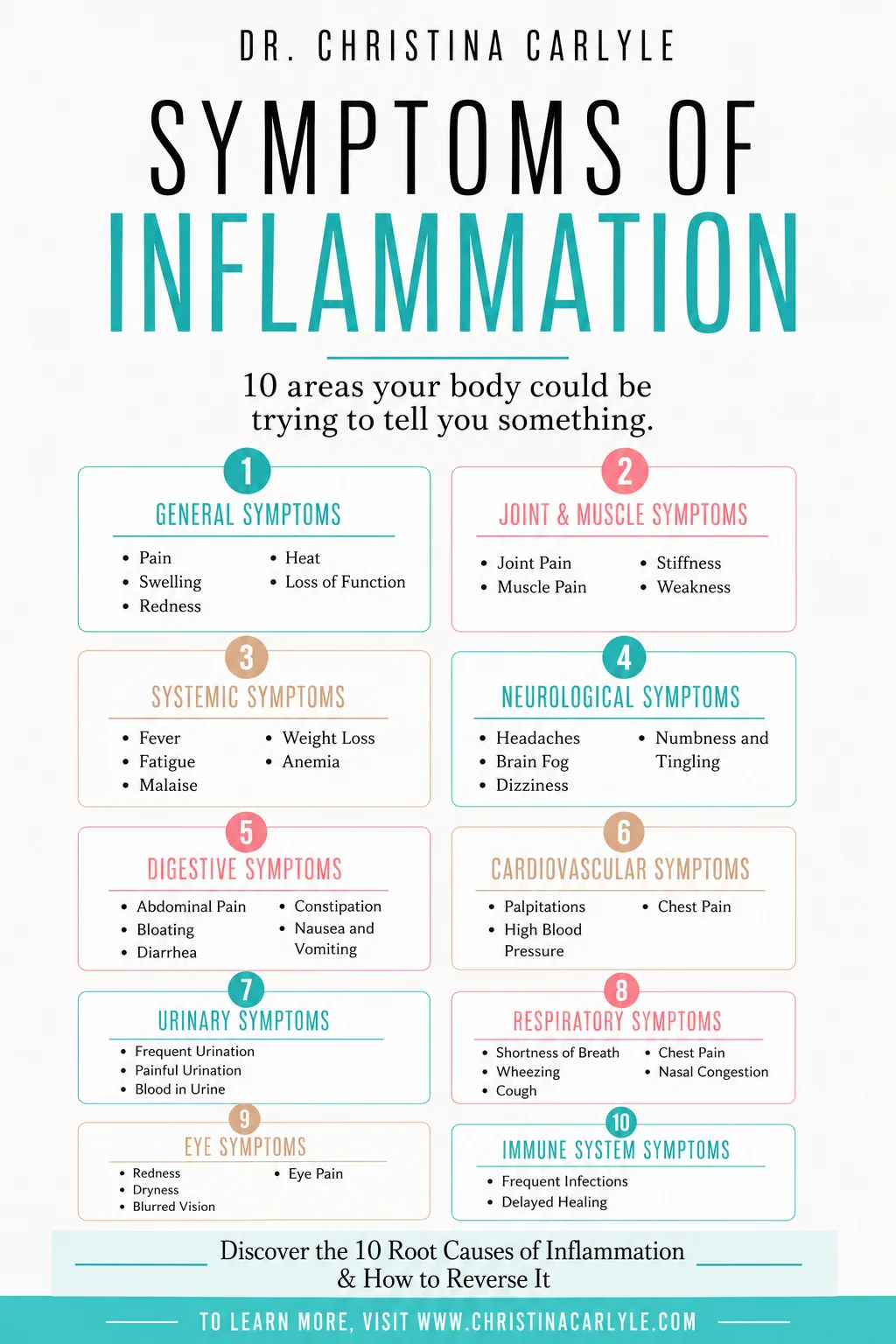
Common Symptoms of Inflammation
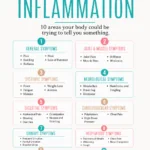
Inflammation can produce obvious symptoms, but it can also show up as vague complaints that are easy to blame on stress, hormones, age, or a busy schedule.
Symptoms alone cannot tell you exactly where inflammation is coming from. Many of these signs have several possible causes. However, patterns can help you recognize when your body may need more support.
- Persistent fatigue or low energy
- Joint pain, stiffness, or swelling
- Muscle aches or weakness
- Headaches or migraines
- Brain fog or poor concentration
- Bloating, constipation, diarrhea, or abdominal pain
- Acne, eczema, psoriasis, rashes, or hives
- Frequent infections or slow healing
- Unexplained weight gain or difficulty losing weight
- Puffy eyes, facial swelling, or fluid retention
- Sleep problems
- Anxiety, irritability, or low mood
- Sinus congestion or a persistent cough
- Food sensitivities
- Changes in blood pressure or blood sugar
Having one symptom doesn’t automatically mean chronic inflammation is the cause. Persistent symptoms should be discussed with a qualified healthcare provider.
If you’re struggling with several symptoms and can’t identify the reason, Functional Lab Testing may help uncover patterns involving blood sugar, hormones, nutrient status, digestion, immune activity, or other areas that need attention.
Pin this to Pinterest so you’ll have it forever.
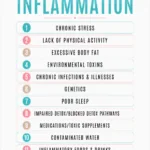
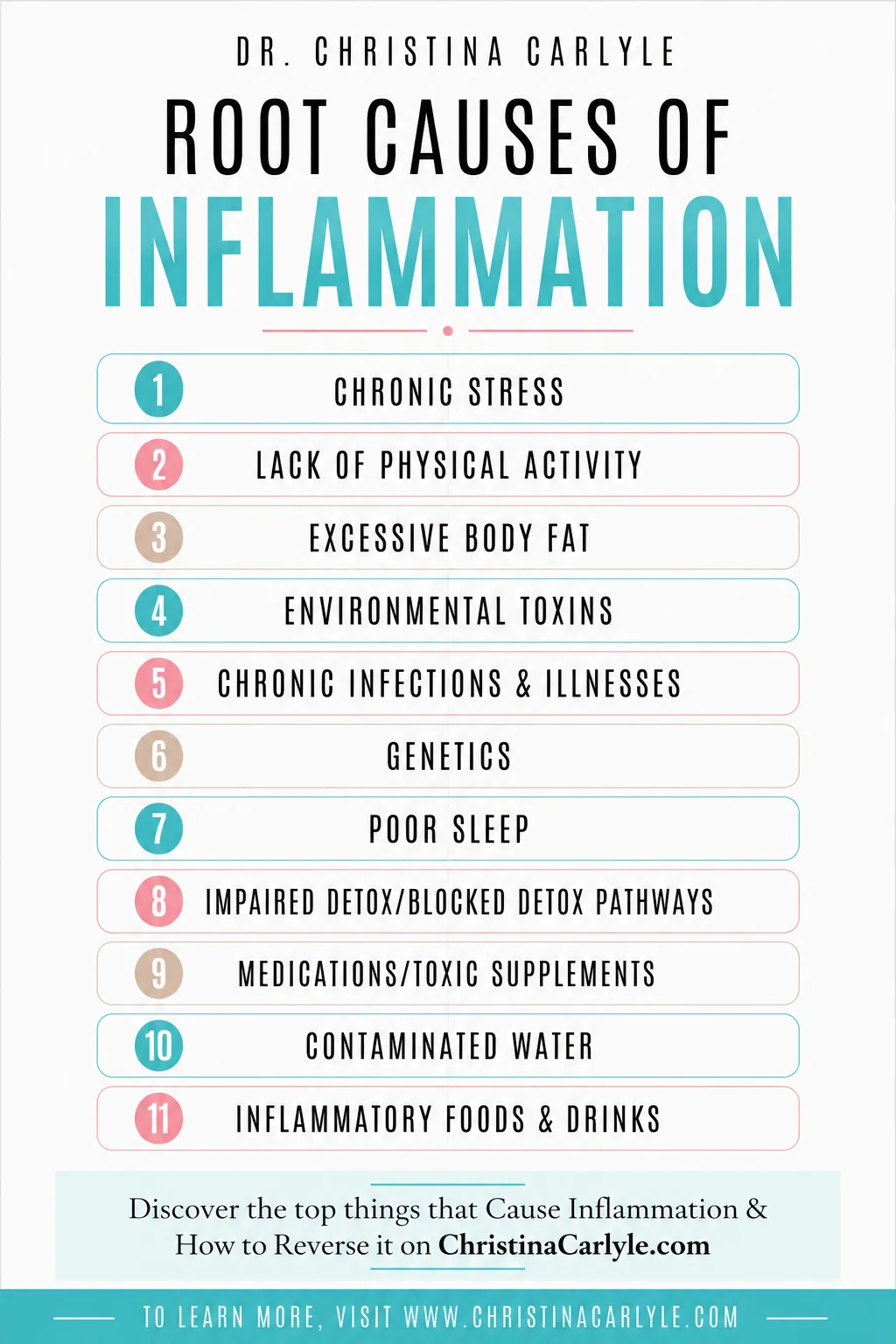
What Causes Inflammation? 11 Common Root Causes
So, what causes inflammation when there isn’t an obvious injury or short-term infection?
Chronic inflammation usually isn’t caused by one single thing. It often develops when several stressors pile up at the same time. Your diet may be part of the problem, but sleep, stress, activity level, body composition, infections, medications, detoxification, and environmental exposures can matter too.
1. Chronic Stress
Long-term stress keeps the nervous system in a heightened state and can disrupt cortisol, sleep, digestion, and immune regulation. Research has linked chronic psychological stress with inflammatory activity.
What helps: Reduce unnecessary stressors and build practices that help your nervous system shift out of survival mode. Walking, breathing exercises, boundaries, therapy, rest, and Somatic Exercises can all support a calmer stress response.
2. Lack of Physical Activity
Sedentary behavior is associated with metabolic dysfunction and increased inflammatory activity. Regular movement supports circulation, insulin sensitivity, cardiovascular health, and immune regulation.
What helps: Move daily. Walking, cycling, strength training, and short cardio sessions all count. You can use my weight training workouts or take the Program Style Quiz to find a program that suits your preferences.
For convenient cardio at home, I like this cardio stepper machine and this walking pad.
3. Excess Body Fat
Body fat stored around the abdominal organs is metabolically active and can release inflammatory chemicals. Visceral fat is associated with chronic low-grade inflammation.
What helps: Focus on sustainable nutrition, strength training, cardio, stress management, and sleep. Avoid extreme diets that create another layer of stress.
Food response can vary from person to person. Take my Metabolic Type Quiz and free training to learn more about the eating approach that may fit your metabolic needs.
4. Environmental Toxins
Air pollution, cigarette smoke, pesticides, heavy metals, mold, and industrial chemicals may contribute to oxidative stress and inflammatory responses. The National Institute of Environmental Health Sciences explains how environmental exposures may influence inflammation.
What helps: Reduce exposure where possible. Improve indoor air quality, avoid smoking, wash produce, use safer household products, and address known mold or air-quality problems with qualified professionals.
5. Chronic Infections and Illnesses
Persistent bacterial, viral, fungal, or parasitic infections can keep the immune system activated. Chronic infections may contribute to prolonged inflammatory responses.
Inflammation is also involved in many chronic conditions, including autoimmune disease, inflammatory bowel disease, cardiovascular disease, and diabetes.
What helps: Don’t guess or self-treat a suspected infection. Work with a qualified practitioner and use testing when appropriate. Treating the actual cause is much more effective than randomly taking supplements and hoping one of them sticks.
6. Genetics
Genetic differences can influence immune responses and inflammatory pathways. Genetics may increase susceptibility, but they don’t act alone. Diet, sleep, stress, movement, infections, and environmental exposures still matter.
What helps: Focus on the factors you can influence. You may not be able to change your genes, but you can change the environment those genes are responding to.
7. Poor Sleep
Inadequate or inconsistent sleep affects circadian rhythms, blood sugar, appetite, cortisol, and immune function. Poor sleep is associated with higher levels of inflammatory markers.
What helps: Keep a regular sleep schedule, reduce bright light and screen exposure before bed, avoid heavy meals late at night, and use my 12 Tips for Better Sleep.
Somatic Exercises before bed may also help reduce tension and prepare your nervous system for rest.
8. Impaired Detoxification and Blocked Detox Pathways
Your liver, kidneys, digestive system, lungs, and skin all help process and eliminate waste. When those systems are under strain, poorly supported, or affected by illness, constipation, dehydration, or nutrient deficiencies, unwanted compounds may remain in circulation longer.
What helps: Support normal elimination by drinking enough water, eating adequate fiber, moving daily, addressing constipation, getting enough sleep, and reducing unnecessary exposure to alcohol, smoke, and environmental chemicals.
My Reset Cleanse is a 7-day metabolism and full body detox that helps rid the body of things that make it harder to burn fat, get healthy, and feel good.
9. Medications and Toxic Supplements
Some medications can irritate the digestive tract, affect the liver or kidneys, or trigger hypersensitivity reactions. Poor-quality, contaminated, or unnecessary supplements may also create problems instead of solving them.
What helps: Review your medications and supplements with your doctor or pharmacist. Never stop a prescribed medication without medical guidance. Remove supplements you don’t need and choose reputable products when supplementation is appropriate.
10. Contaminated Water
Water may contain microorganisms, heavy metals, pesticides, and other contaminants depending on the source and local infrastructure. Research has examined how contaminated water can contribute to oxidative stress and inflammatory effects.
What helps: Review your local water-quality report and choose a filtration system designed to remove the contaminants present in your water. A basic pitcher or refrigerator filter may not address every concern.
11. Inflammatory Foods and Drinks
Highly processed foods, excessive added sugar, fried foods, trans fats, refined carbohydrates, and heavy alcohol intake may contribute to inflammation, especially when they make up a large portion of your diet.
What helps: Reduce your intake of the foods and drinks that cause inflammation. Build meals around protein, vegetables, healthy fats, fiber-rich carbohydrates, and foods that leave you feeling energized and satisfied.
How to Start Reducing Inflammation
You don’t need to fix all 11 root causes in one day. Start with the areas most likely to move the needle:
- Improve your sleep routine
- Reduce highly processed foods and added sugar
- Move your body every day
- Eat enough protein, vegetables, and fiber
- Address chronic stress
- Drink clean, filtered water
- Review unnecessary supplements
- Support regular digestion and elimination
- Get persistent symptoms evaluated
If you feel inflamed, sluggish, puffy, and stuck, the Reset Cleanse is a 7-day metabolism and full body detox that helps rid the body of things that make it harder to burn fat, get healthy, and feel good.
Once the body is reset, it is prepped and primed for fat burning. The next step is giving it the right fuel for its unique metabolic needs through the Metabolic Type Quiz and free training.
If you still don’t know what causes inflammation in your body, Functional Lab Testing may help you stop guessing and identify areas that need more support.
I hope this post helped you understand what causes inflammation, how it can affect your body, and which changes may help you feel better. Choose one or two steps you can apply consistently instead of trying to overhaul your entire life by Monday morning.
If you liked this post or have questions, let me know in the comments.
Forever rooting for you,
Dr. Christina Carlyle

Metabolic Type Meal Plan Results
Eating Healthy But Not Seeing Results?
The solution is eating for your unique metabolic type - When you eat foods that match your Metabolic Type you can lose weight and feel great 3 times faster. Take the Metabolic Type Quiz to discover your type and the meal plan that's best for you.
TAKE THE QUIZIf you liked this article, you’ll also like these posts
- What Foods Cause Inflammation?
- 12 Tips for Better Sleep
- Grounding Mat Benefits and How to Use One
- Somatic Exercises for Stress and Nervous System Support
- Reset Cleanse

Dr. Christina Carlyle is a Doctor of Functional Medicine, FDN-P, Nutritionist, & Trainer who transformed her body and health – getting off 7 medications and losing 40 pounds for good. Now, she helps other women get happy, healthy, and fit – quickly & naturally – without any BS