Last Updated on June 2, 2026
Today I’m answering the question, why am I always hungry? And for good reason.
Every time I work with a client who wants to lose weight, get healthy, tone up, or make lifestyle changes, I’m looking for anything that could block her from getting results. If she wants to lose weight but she’s always hungry, always craving, always reaching for food, or always feeling like food is running the show, I need to know why.
Because “try harder” is not a metabolic strategy.
A lot of people will shame you and say you don’t want it bad enough, you need more willpower, or you’re making excuses. But sometimes what looks like an excuse is actually an explanation.
There is not one single answer to the question, why am I always hungry? I can’t just say, “You eat too much sugar,” “Your hormones are off,” or “You need more discipline” and call it a day. That’s lazy. And not the cute kind.
Sometimes hunger is being biologically reinforced. Sometimes your body is inflamed, stressed, undernourished, sleep-deprived, insulin resistant, hormonally dysregulated, or dealing with a hidden gut issue that keeps cravings loud.
Here are the 7 root causes I look for first.
Why Am I Always Hungry? 7 Root Causes I Look For First
When a client asks me, why am I always hungry, I don’t assume she’s lazy, weak, or secretly eating cookies in the closet. I ask better questions.
What are you eating? When does hunger hit? What are you craving? Do you feel better after eating or worse? Are you tired, stressed, bloated, foggy, hormonal, inflamed, or sleeping like a raccoon in a dumpster?
Hunger is information. Cravings are information. Feeling out of control around food is information. So let’s use it.
1. You’re Addicted to or Emotionally Eating Carbs, Sugar, and Trigger Foods
A craving and an addiction pattern are not the same thing.
A craving sounds like, “Chocolate sounds good.” An addiction pattern sounds like, “I know I don’t want this, I know I won’t feel good after, I’m eating it anyway, and once I start, I don’t stop.”
I say this with compassion because I’ve been there. I was addicted to sugar, carbs, processed foods, and the temporary relief they gave me when I felt awful in my body. If I never admitted that, I never would have changed it.
Food can soothe, distract, reward, numb, and help you procrastinate. If food has become your fastest way to change how you feel, your brain may start asking for food every time you need relief. Research on emotional eating connects emotions with eating behavior, and clinical reviews describe addiction-like eating patterns that include cravings, loss of control, and continued use despite negative consequences.
How I’d Start Fixing It
Stop arguing with reality. If a food consistently makes you feel out of control, you may need a clean break from that food while your brain, gut, blood sugar, and nervous system calm down.
Start with the Reset Cleanse. It’s a 7-day metabolism and full body detox that helps rid the body of things that make it harder to burn fat, get healthy, and feel good. You can cancel cravings and lose up to 10 pounds in 7 days.
2. You Have Inflammation in the Gut or Body
Inflammation can make you feel tired, foggy, moody, snacky, uncomfortable, and not like yourself. And when you don’t feel good, your body looks for quick relief.
That relief might be sugar, chips, bread, caffeine, or “just a little something” every hour. Inflammation can come from gut issues, food sensitivities, poor sleep, stress, alcohol, infections, toxin exposure, or foods your body doesn’t tolerate well.
Your gut and brain constantly communicate about appetite, satiety, and eating behavior. Research on intestinal inflammation and gut-brain signaling shows that gut inflammation can affect eating behavior and appetite regulation.
How I’d Start Fixing It
I’d start by removing common inflammatory inputs and supporting digestion, hydration, minerals, and whole-food nutrition.
The Reset Cleanse is a great first step if you feel puffy, bloated, sluggish, foggy, inflamed, or like cravings are driving the bus. If gut symptoms are part of the picture, read my post on how to improve gut health.
3. You’re Not Getting Enough Protein or Key Nutrients
Eating all day is not the same thing as being nourished.
You can snack constantly, drink coffee instead of breakfast, pick at salads, grab bars, nibble on crackers, and still miss the nutrients that help you feel full, steady, energized, and satisfied.
Protein is the biggest one. It is one of the most satiating nutrients, which means it helps regulate hunger and fullness. Research shows protein generally increases satiety more than carbohydrates or fat, and a meta-analysis found that protein can suppress appetite and influence hunger hormones like ghrelin.
I also look at overall nourishment. If you’re low in minerals, electrolytes, or key micronutrients, your energy, mood, and cravings can take a hit too. I would not blame every craving on a vitamin deficiency, because that’s not how this works, but I would absolutely ask if your body is getting what it needs.
How I’d Start Fixing It
Start with protein at every meal. Then build in whole foods, minerals, hydration, and foundational supplement support when needed.
If you want professional-grade options, shop my Fullscript dispensary for a high-quality multivitamin and foundational support.
4. Your Stress and Nervous System Are Triggering Emotional Eating Loops
If you’re stressed all the time, your body is not calmly thinking, “Let’s burn fat and make wise snack choices.” It thinks it needs to survive.
When your nervous system trends toward fight or flight, stress hormones like cortisol and adrenaline help mobilize energy. That can affect blood sugar, appetite, cravings, and how intensely you want fast fuel.
This is where emotional eating gets tricky. You may not be eating because your stomach is empty. You may be eating because your body is activated, overwhelmed, anxious, rushed, or desperate for relief.
Research on stress and eating behaviors shows that stress systems overlap with appetite and food motivation pathways, and studies suggest chronic stress can increase food cravings.
How I’d Start Fixing It
Regulate before restricting.
If you’re wired, overwhelmed, tense, anxious, or running on fumes, another strict food rule may backfire. Start with my Magic Moves sample class. It’s a gentle somatic exercise routine designed to help release stress, tension, and nervous system overload so your body has another way to shift state without using food as the only tool.
5. Your Hormones Are Shifting or Imbalanced
Women are not small men with better accessories.
Hormones fluctuate, and those fluctuations can affect hunger, cravings, mood, energy, sleep, digestion, and how much tolerance we have for people breathing near us.
Some women feel hungrier around ovulation. Some crave more before their period. Some notice everything changes in perimenopause. Others are dealing with thyroid issues, PCOS, adrenal stress patterns, low progesterone, estrogen dominance, insulin resistance, or blood sugar problems hiding underneath the hormone chaos.
Research on the menstrual cycle and appetite shows that hormonal fluctuations can influence appetite control and eating behavior, and research suggests cravings and energy intake may increase during the luteal phase.
Insulin matters here too. Insulin helps move glucose from your blood into your cells. When cells become less responsive to insulin, your body has to work harder to manage blood sugar, which can leave you tired, hungry, foggy, snacky, and stuck. The National Institute of Diabetes and Digestive and Kidney Diseases explains that insulin resistance means your body does not respond to insulin the way it should.
How I’d Start Fixing It
Track your patterns first. When do cravings hit? Before your period? After poor sleep? After high-carb meals? During stressful weeks?
Then stabilize blood sugar, support sleep, reduce inflammation, and test when symptoms are persistent. If you’re tired of guessing, Work with me so we can look at the root causes.
6. You’re Not Sleeping Well
Poor sleep makes hunger louder.
It can affect appetite hormones, blood sugar, cortisol, mood, impulse control, and motivation. So if you sleep badly and suddenly want carbs, caffeine, sugar, and a personality transplant, your body is not being dramatic. It’s running on fumes.
Research on sleep curtailment links short sleep with decreased leptin, increased ghrelin, and increased hunger and appetite. Translation: when sleep drops, cravings can climb.
How I’d Start Fixing It
Start with nervous system downshifting, morning light, a balanced dinner, and less late-night scrolling.
If your body feels wired, tense, or stuck in go mode at night, try the Magic Moves sample class. When your body feels safer, sleep and cravings often improve together.
7. You Have Parasites, Gut Infections, Mold, Candida, or Another Hidden Stressor
Now let’s talk about the functional medicine stuff, because sometimes hunger and cravings are not just about food.
Parasites, gut infections, candida, bacterial overgrowth, mold exposure, viral load, and other hidden stressors can contribute to inflammation, fatigue, bloating, brain fog, mood changes, sugar cravings, carb cravings, and that weird feeling that your body is not fully under your management.
I see this clinically all the time. When the gut, immune system, liver, brain, or microbial environment is irritated, cravings can get louder. And when someone tries to “eat clean,” those cravings can sometimes kick up even more because the body is losing its usual quick-hit comfort foods.
Research on gut microbes and eating behavior suggests microbes may influence cravings and food choices, and research on the gut microbiome and food addiction discusses how dysbiosis may influence eating behavior.
How I’d Start Fixing It
First, I’d stop guessing and piecing together random tips, diets, and supplements… because feeling hungry 24/7 isn’t normal… common, yes, but definitely not normal.
If your hunger and cravings come with bloating, constipation, diarrhea, reflux, skin issues, brain fog, fatigue, immune issues, sinus problems, recurring yeast issues, or symptoms that flare when you clean up your diet, I’d want to take a deeper look.
If you want root-cause support, Work with me and we’ll start with a root cause assessment and initial consultation. During which, we’ll chat and I’ll do a deep dive into your symptoms, medical history, and habits and then pinpoint what’s going on and create a plan to resolve issues.
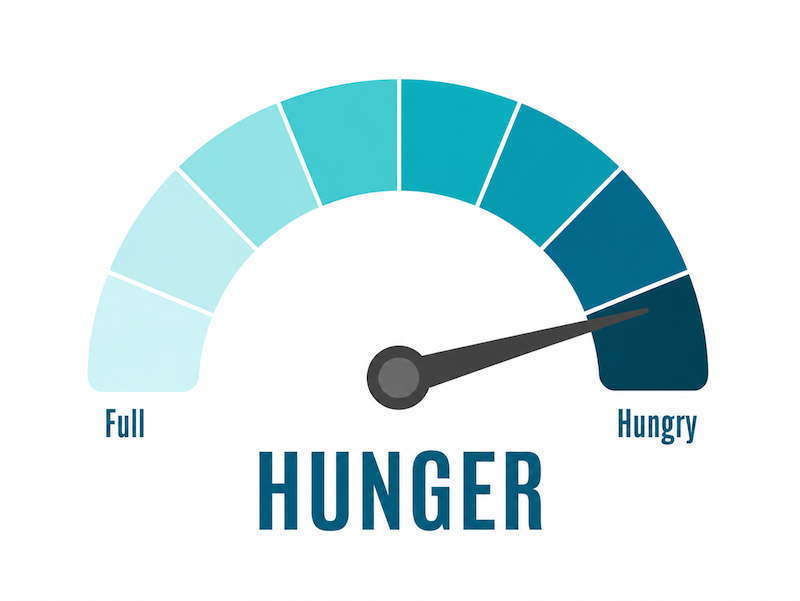
So, Why Am I Always Hungry?
If you’re still asking, why am I always hungry, here’s what I want you to remember: you may not need more shame. You may need better information.
You may need a break from trigger foods. You may need less inflammation. You may need more protein. You may need better nutrient support. You may need nervous system regulation. You may need hormone testing. You may need blood sugar support. You may need sleep. You may need gut work.
There is not one answer because there is not one body. If you don’t want to work with me directly my online/on-demand programs can help you start getting results quickly and naturally.
If you feel puffy, inflamed, addicted, sluggish, foggy, bloated, or like cravings are driving the bus, I’d start with the Reset Cleanse. It’s a 7-day metabolism and full body detox that helps rid the body of things that make it harder to burn fat, get healthy, and feel good.
Once your body is reset and prepped for fat burning, the next step is giving it the right fuel for its unique metabolic needs. That’s where the Metabolic Type Quiz and Metabolic Type Meal Plan come in.
Final Thoughts on Why Am I Always Hungry?
I hope this post helped you see that hunger is not always a discipline problem. Sometimes it’s a symptom. Sometimes it’s your body waving a giant red flag while you’re trying to silence it with another diet.
Start paying attention to the pattern. Look at what you’re eating, how you feel after eating, what your cravings are attached to, how you sleep, how stressed you are, what your digestion is doing, and whether your body feels nourished or just fed.
Then take one next step. Reset your body. Support your nutrients. Calm your nervous system. Match your food to your metabolism. Get personalized support and work with me if you need deeper root-cause support and clear answers and direction.
If you’re always hungry – you are not lazy. You’re not broken. You just need to figure out what’s blocking you, fix that, and give your body what it’s been asking for.
I hope this post helped you understand why you might be hungry all the time and what to do about it.
If you liked this post or have questions, let me know in the comments.
Forever rooting for you,
Dr. Christina Carlyle

Metabolic Type Meal Plan Results
Eating Healthy But Not Seeing Results?
The solution is eating for your unique metabolic type - When you eat foods that match your Metabolic Type you can lose weight and feel great 3 times faster. Take the Metabolic Type Quiz to discover your type and the meal plan that's best for you.
TAKE THE QUIZIf you liked this article, you’ll also like these posts
- How to Stop Sugar Cravings Fast
- What Causes Sugar Cravings?
- Supplements that Stop Sugar Cravings
- How To Improve Gut Health
- Signs of a Slow Metabolism and What They Really Mean

Dr. Christina Carlyle is a Doctor of Functional Medicine, FDN-P, Nutritionist, & Trainer who transformed her body and health – getting off 7 medications and losing 40 pounds for good. Now, she helps other women get happy, healthy, and fit – quickly & naturally – without any BS