
Last Updated on June 30, 2026
Today I’m sharing 20 of the best foods that are good for the liver. Why? Your liver is the ultimate multitasker. It performs over 500 functions every single day, many of which make or break your health. It filters toxins, metabolizes hormones, processes nutrients from food, balances blood sugar, and even dictates how efficiently your body burns fat.
The liver is running the show and really dictates if you’re healthy and fit… or not.
If your liver isn’t working optimally, you’ll feel it. Fatigue, stubborn weight gain, poor digestion, skin breakouts, hormone imbalances, and even mood swings can often be traced back to a sluggish or overworked liver. That’s why liver health isn’t just about detoxing. It’s about how you look, feel, and function every single day.
The good news? You can give your liver a major boost simply by eating the right foods. In fact, research shows that certain foods can help protect your liver cells, reduce inflammation, and support natural detoxification pathways.
Below you’ll find the best foods good for the liver, each backed by science to prove they’re truly good for your liver and overall health.
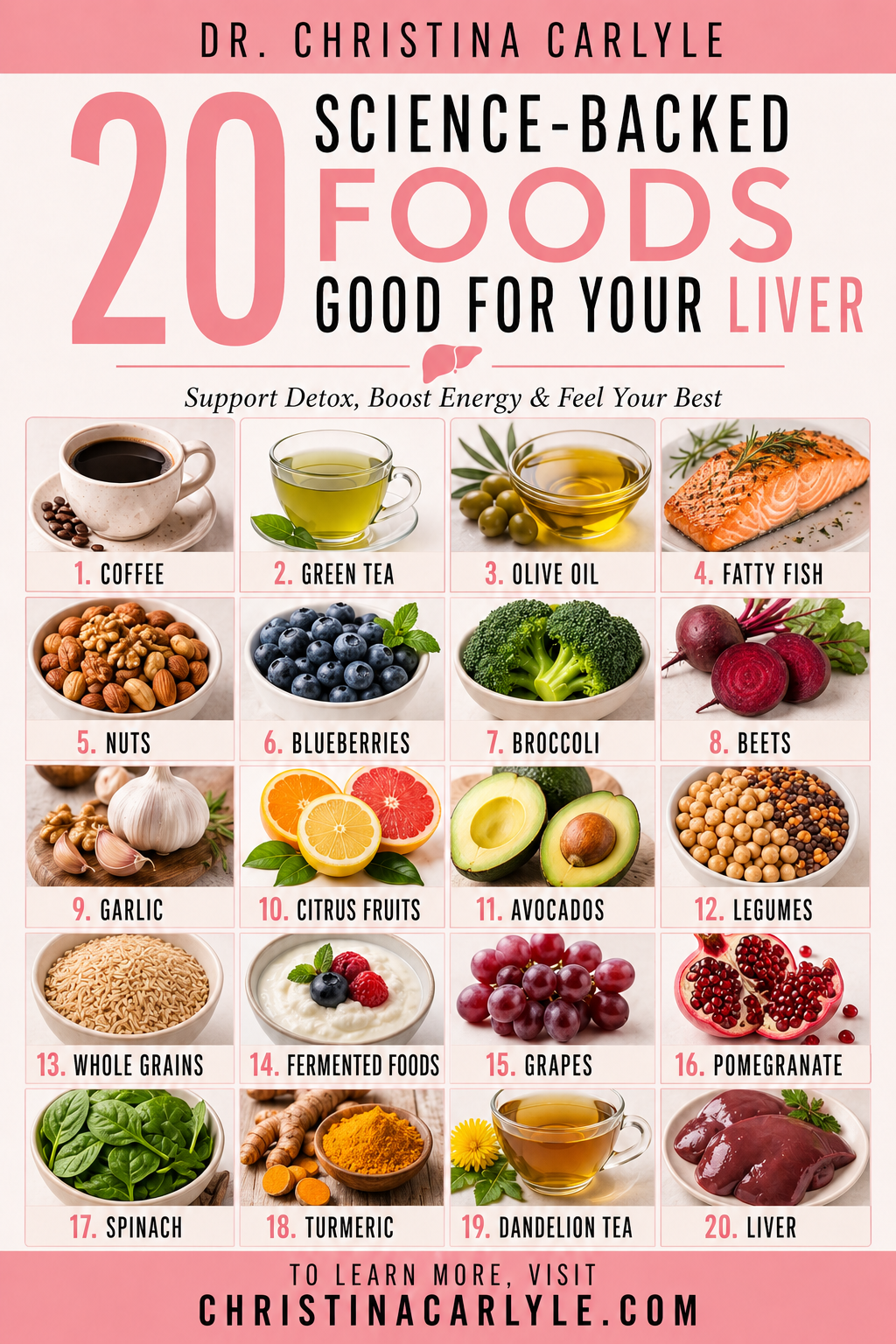
Pin this to Pinterest so you’ll have it forever
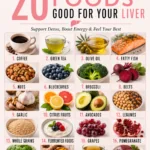
20 Best Foods Good for the Liver
Coffee
Regular coffee drinking has been shown to protect against fatty liver and fibrosis. Coffee increases antioxidant activity and supports Phase 1 detox enzymes, helping neutralize free radicals created during detox.
You only need 2 cups daily. More can actually stress Phase 1 and overwhelm Phase 2 detox.
Green Tea
Green tea is rich in catechins, which reduce fat buildup and protect the liver. Catechins help regulate fat metabolism in the liver and support Phase 2 detox pathways by enhancing antioxidant defenses like glutathione.
This is the brand of green tea I use daily and recommend most.
Olive Oil
Olive oil improves liver fat, enzymes, and insulin sensitivity.
Its monounsaturated fats support bile flow, which is essential for eliminating toxins and digesting fats. Olive oil also reduces liver inflammation and oxidative stress.
Fatty Fish: Salmon, Sardines, and Mackerel
Fatty fish are high in omega-3 fatty acids that help reduce inflammatory cytokines and help balance fat in the liver. They also support healthy cell membranes, making detoxification more efficient.
This is the stack with omega-3s that I recommend daily.
Nuts: Walnuts and Almonds
Nuts are linked to a lower risk of NAFLD. They’re rich in glutathione precursors and vitamin E, which support Phase 2 conjugation pathways and protect liver cells from oxidative stress. Walnuts specifically provide omega-3s for anti-inflammatory support.
Blueberries
Blueberries are packed with anthocyanins that reduce oxidative stress. These antioxidants lower damage during Phase 1 detox and preserve glutathione levels needed for Phase 2.
Broccoli and Cruciferous Vegetables
Broccoli and other cruciferous vegetables support detox enzymes and protect against fatty liver. They contain sulforaphane and indole-3-carbinol, which boost Phase 2 conjugation enzymes, like sulfation and glucuronidation, and promote estrogen clearance.
Beets and Beet Juice
Beets help reduce fat around the liver. They’re high in betalains and betaine, which improve methylation and support bile flow for more efficient detoxification.
Out of everything on this list, beets are among the best foods for liver health.
Garlic
Garlic improves liver enzyme levels and reduces fat accumulation.
It contains organosulfur compounds that fuel sulfation pathways in Phase 2 detox and boost glutathione production.
Citrus Fruits: Grapefruit, Lemon, and Orange
Citrus fruits are rich in antioxidants.
Citrus flavonoids support Phase 1 detox, while vitamin C is crucial for Phase 2 conjugation. Grapefruit specifically enhances glucuronidation, but note that it can interact with certain medications.
Avocados
Avocados contain compounds that lower liver damage.
They’re high in glutathione precursors and healthy fats that support both antioxidant defenses and bile production.
Legumes: Beans and Lentils
Legumes are high in fiber, and their plant compounds lower liver fat.
They provide B vitamins for methylation in Phase 2 detox and soluble fiber to bind toxins in bile, preventing reabsorption.
Whole Grains: Oats, Quinoa, and Brown Rice
Whole grains may reduce fatty liver risk.
They supply B vitamins for methylation and prebiotic fiber to support the gut-liver axis, easing toxic load on the liver.
Fermented Foods: Yogurt, Kefir, and Sauerkraut
Fermented foods improve the gut-liver connection.
Probiotics reduce endotoxin load from the gut, lowering liver inflammation and improving detox efficiency.
Grapes
Grapes contain polyphenols that protect liver cells.
They’re rich in resveratrol, which enhances antioxidant enzymes in Phase 1 and lowers oxidative stress.
Pomegranate
Pomegranate antioxidants reduce fat accumulation.
Pomegranate supports Phase 2 detox with polyphenols that increase glutathione activity.
Spinach and Leafy Greens
Spinach and leafy greens are high in chlorophyll and great for liver health.
Chlorophyll helps bind toxins for elimination, while magnesium supports methylation in Phase 2 detox.
Turmeric and Curcumin
Turmeric may improve liver enzyme markers.
Curcumin enhances Phase 2 conjugation, especially glutathione pathways. But note: turmeric supplements have been linked to liver injury, so stick to the spice in cooking.
Dandelion Tea and Greens
Dandelion has traditionally been used to support bile flow.
It provides bitters that stimulate bile production, helping the liver clear toxins more efficiently. This is the dandelion tea I use, love, and recommend most.
Liver
One of the most nutrient-dense foods, liver is packed with vitamin A, B vitamins, especially B12 and folate, iron, zinc, and copper. These nutrients are critical for Phase 1 and Phase 2 detox pathways. Vitamin A and zinc protect liver tissue, while B vitamins drive methylation and energy production. Eating liver directly supports your liver’s detox work, bile production, and hormone metabolism.
If eating liver doesn’t sound appealing, I recommend grass-fed beef liver supplements. My favorite brand for liver or organs is Ancestral Supplements, which makes it easy to get the benefits in capsule form.
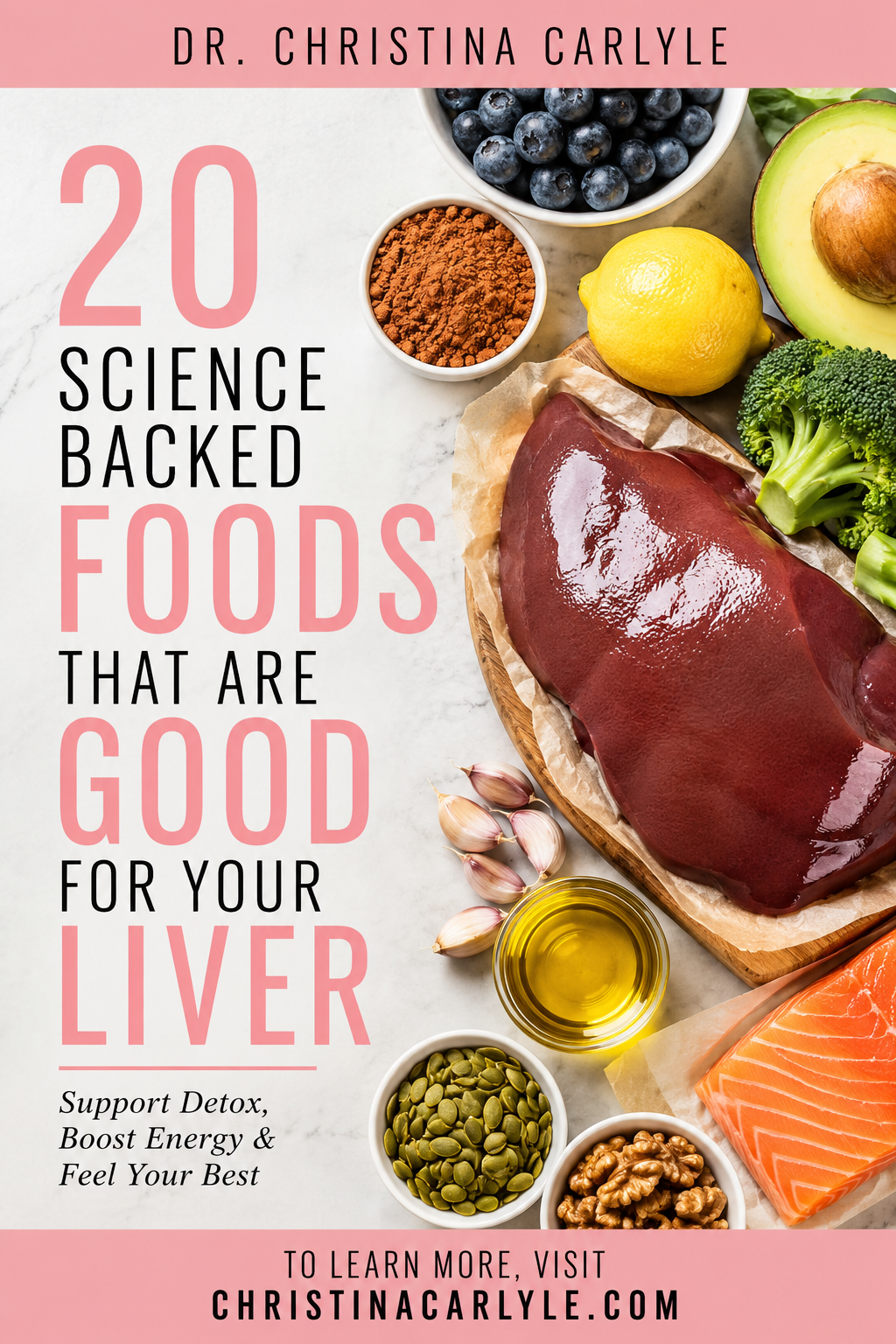
How to Eat More Foods That Are Good for the Liver
Supporting your liver doesn’t mean you need a complicated diet. Start simple:
- Add garlic, olive oil, and leafy greens to your meals.
- Snack on nuts, dark chocolate, or berries.
- Enjoy a cup of coffee or green tea daily.
- Swap in fatty fish a few times a week.
- Try adding citrus or pomegranate to your salads or smoothies.
Every time you add a food that’s good for your liver, you’re helping your body balance hormones, improve digestion, and boost energy. Small, consistent choices make a big difference.
Best Foods Good for the Liver: Ready to Take It Further?
If you really want to show your liver some love, my Reset Cleanse is the perfect place to start. It’s a 7-day metabolism and full body detox that helps rid the body of things that make it harder to burn fat, get healthy, and feel good while supporting your liver, gut, and natural detox pathways.
Think of it as hitting the reset button so your liver can do its 500+ jobs better, and you can feel lighter, clearer, and more energized.
Final Thoughts About Foods Good for the Liver
Your liver works around the clock to keep you alive, balanced, and well, even when you’re stressed, tired, or not eating perfectly. It quietly handles hundreds of chemical reactions every single day without asking for much in return.
When you start supporting it with liver-loving foods, hydration, rest, and smart routines, your body feels the difference, from your digestion, to your hormones, to your mood and metabolism.
So whether you:
- Add garlic and leafy greens to dinner,
- Swap your sugary drinks for green tea,
- Or take the leap with a full Reset Cleanse…
Every little bit of support you give your liver is a step toward feeling lighter, clearer, calmer, and more you.
Here’s to nourishing the organ that does it all, and to feeling amazing from the inside out.
I hope this post helped you understand which foods are good for the liver and how to start adding more of them into your everyday meals.
If you liked this post or have questions, let me know in the comments.
Forever rooting for you,
Dr. Christina Carlyle



Metabolic Type Meal Plan Results
Eating Healthy But Not Seeing Results?
The solution is eating for your unique metabolic type - When you eat foods that match your Metabolic Type you can lose weight and feel great 3 times faster. Take the Metabolic Type Quiz to discover your type and the meal plan that's best for you.
TAKE THE QUIZIf you liked this article, you’ll also like these posts
- Fatty Liver Disease Symptoms: How to Spot Signs and Heal Naturally
- Dandelion Tea Benefits and Why You Should Drink It Daily
- Symptoms of Toxins: Top 10 Signs You Need to Detox
- Functional Foods: My Secret Weapon for Better Health
- 7 Supplements Scientifically Linked to Liver Toxicity

Dr. Christina Carlyle is a Doctor of Functional Medicine, FDN-P, Nutritionist, & Trainer who transformed her body and health – getting off 7 medications and losing 40 pounds for good. Now, she helps other women get happy, healthy, and fit – quickly & naturally – without any BS