Last Updated on April 9, 2026
Have you ever felt drained after a stressful week, even though you haven’t been doing anything physically demanding? Or maybe you’ve noticed that your skin isn’t looking as vibrant as it once did, no matter how many creams you slather on. You eat healthy, exercise, and get plenty of sleep, but something still feels off. Could it be… free radicals?
Imagine this:
You’re juggling a busy work week, trying to keep up with a fitness routine, and managing everything else life throws your way. Suddenly, you start feeling run down. Your energy dips, your skin looks dull, and even your workout performance isn’t what it used to be. You know something’s up, but you can’t quite put your finger on it. That’s when you realize—your body could be under attack by free radicals.
Free radicals are the invisible, often misunderstood, culprits behind many of the symptoms that make you feel sluggish, unwell, or even older than you feel. They’re often at the root of inflammation, stress, and oxidative damage, and they can wreak havoc on your body if left unchecked.
Let’s break it down and see what free radicals are, how they affect you, and how you can protect yourself from them—naturally.

What Are Free Radicals?
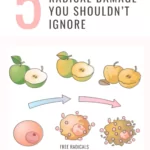
Free radicals are unstable molecules that are missing an electron, which makes them highly reactive. They’re created as a natural byproduct of various metabolic processes, such as when your body converts food into energy. But they can also be triggered by environmental factors like pollution, smoking, UV radiation, and even stress.
When a free radical is created, it searches for an electron to pair with, and in the process, it can damage nearby molecules, including cells, proteins, and DNA. This damage leads to oxidative stress, which is a state where the body’s antioxidants can’t keep up with the damage caused by free radicals. Over time, this imbalance can lead to chronic inflammation, premature aging, and a weakened immune system.
Symptoms of Free Radical Damage
How do you know if free radicals are affecting your body? Here are some common symptoms:
- Chronic Fatigue: Feeling consistently tired and sluggish, even after a full night’s sleep, can be a sign of oxidative stress.
- Dull Skin: Free radicals damage collagen and elastin, leading to skin that lacks radiance and elasticity. This can contribute to premature aging and wrinkles.
- Increased Inflammation: If you suffer from joint pain, swelling, or soreness, it could be due to oxidative damage.
- Weakened Immunity: A compromised immune system, making you more susceptible to illness, can be a result of ongoing oxidative stress.
- Brain Fog: Difficulty concentrating, forgetfulness, and a lack of mental clarity are common signs of oxidative damage in the brain.

Pin this to Pinterest so you’ll have it forever
A lot of my client’s think these symptoms are because they’re ‘getting older’ or hormones but really it’s toxic overload. When oxidative stress takes over it starts to impair the cells, liver, and gut – causing hormone issues and accelerated aging in the process.
When oxidative stress is left untreated, it can lead to a variety of long-term health problems. Since oxidative stress results from an imbalance between free radicals (unstable molecules that damage cells) and antioxidants (which neutralize these free radicals), leaving this imbalance unchecked can cause progressive damage to the body over time.
Here’s what happens when oxidative stress isn’t addressed:
1. Accelerated Aging
Free radicals attack collagen, elastin, and other skin components, leading to premature aging. This manifests as wrinkles, sagging skin, and a loss of skin elasticity. Over time, oxidative stress accelerates aging at the cellular level, contributing to the breakdown of organs and tissues.
2. Chronic Inflammation
Oxidative stress triggers the release of pro-inflammatory molecules in the body, contributing to chronic inflammation. This inflammation can damage tissues, leading to conditions like arthritis, cardiovascular diseases, and inflammatory bowel diseases. The prolonged inflammation associated with untreated oxidative stress is a significant risk factor for many chronic health conditions.
3. Weakened Immune System
Oxidative stress can impair immune system function by damaging immune cells. As a result, the body becomes more vulnerable to infections, illnesses, and even autoimmune diseases. A weakened immune system also makes it harder for the body to recover from infections and illnesses.
4. Increased Risk of Heart Disease
Oxidative stress plays a role in the development of atherosclerosis (plaque buildup in arteries), which can lead to heart disease, high blood pressure, heart attacks, and strokes. The damage done to blood vessels by free radicals increases the risk of cardiovascular problems.
5. Neurological Damage
Oxidative stress is a major contributor to neurodegenerative diseases like Alzheimer’s, Parkinson’s, and multiple sclerosis. Free radicals damage brain cells, leading to cognitive decline, memory loss, and problems with concentration. Over time, untreated oxidative stress can accelerate the progression of these conditions.
6. Increased Cancer Risk
Oxidative stress is associated with DNA damage, which increases the risk of mutations that can lead to cancer. It can also weaken the body’s ability to repair damaged cells. This contributes to the development and progression of various types of cancer.
7. Impaired Muscle Function
Oxidative stress damages muscle tissue and impairs recovery after exercise. Over time, this can lead to muscle fatigue, weakness, and a slower recovery process after physical exertion. It can also contribute to muscle wasting in conditions like sarcopenia (age-related muscle loss).
8. Metabolic Dysfunction
Oxidative stress can disrupt metabolic processes, leading to insulin resistance, obesity, and type 2 diabetes. The imbalance caused by free radicals can damage the pancreas, impairing insulin production and function. This can eventually lead to the development of metabolic syndrome, which increases the risk for diabetes and heart disease.
9. Increased Risk of Respiratory Diseases
Free radicals can damage the lung tissues, leading to diseases like chronic obstructive pulmonary disease (COPD), asthma, and emphysema. This is especially concerning for smokers or those exposed to air pollution, as oxidative stress exacerbates lung damage.
10. Poor Mental Health
Oxidative stress has been linked to depression and anxiety. The damage done to brain cells can affect neurotransmitter function, which is essential for mood regulation. This can worsen symptoms of mental health disorders and hinder recovery.

Tips to Reduce Free Radicals (Naturally!)
While free radicals are inevitable, there’s a lot you can do to reduce their effects on your body and protect your health. Here are some natural ways to combat oxidative stress:
-
Eat Antioxidant-Rich Foods – Antioxidants are the body’s natural defense against free radicals. They work by neutralizing free radicals and reducing oxidative stress. These foods highest in antioxidants here.that can help keep free radicals in check. I’d also take this multivitamin to boost nutrient intake so you can reverse damage even faster.
-
Stay Hydrated – Water plays a crucial role in flushing toxins and free radicals from the body. Staying hydrated helps your liver and kidneys eliminate harmful substances and reduces oxidative stress. Aim to drink at least eight 8-ounce glasses of water per day to support your body’s detox processes.
-
Manage Stress – Chronic stress is a major trigger for the production of free radicals. Finding ways to manage your stress, such as through meditation, yoga, or breathing exercises, can help lower oxidative damage and improve your overall health. I highly recommend somatic exercises to reduce stress and to stay calm.
-
Limit Exposure to Toxins – Reducing your exposure to environmental toxins, such as pollution, cigarette smoke, UV radiation, chemicals, can help minimize the production of free radicals. Wear sunscreen, avoid smoking, and limit your time in polluted areas when possible.
-
Support Your Body with a Cleanse – A gentle cleanse, like my Reset Cleanse, can support your body’s natural detox processes and help reduce oxidative stress. The Reset Cleanse is designed to flush out toxins, restore balance, reverse damage, and revitalize your metabolism – making it easier to lose weight and feel great in the process. With daily detox practices, nutritious meals, and a focus on reducing inflammation, this cleanse is an excellent way to combat the effects of free radicals and boost your overall well-being. You can lose up to 10 pounds of toxins and fat in 7 days. Learn More About the Reset Cleanse Here. Another thing that can be very helpful post Reset are astaxanthin supplements. When you do these after the Reset Cleanse they absorb and work so much better!
Don’t let free radicals hold you back. Reclaim your health, rejuvenate your body, and feel amazing again!
If you think this post could help someone else, please share it.
Your Coach & Biggest Cheerleader,



Metabolic Type Meal Plan Results
Eating Healthy But Not Seeing Results?
The solution is eating for your unique metabolic type - When you eat foods that match your Metabolic Type you can lose weight and feel great 3 times faster. Take the Metabolic Type Quiz to discover your type and the meal plan that's best for you.
TAKE THE QUIZIf you liked this article, you’ll also like:
- Natural Healthy Sunscreen You Should Wear Every Day
- Astaxanthin Foods & Supplements
- Foods High in Glutathione
- Functional Foods: My Secret Weapon for Better Health
- Foods Highest in Antioxidants to Nourish Your Body and Fight Free Radicals
- Free Radicals and Easy Ways to Reduce Them Quickly

Dr. Christina Carlyle is a Doctor of Functional Medicine, FDN-P, Nutritionist, & Trainer who transformed her body and health – getting off 7 medications and losing 40 pounds for good. Now, she helps other women get happy, healthy, and fit – quickly & naturally – without any BS